
Why Was The CBDC Ban Delayed?
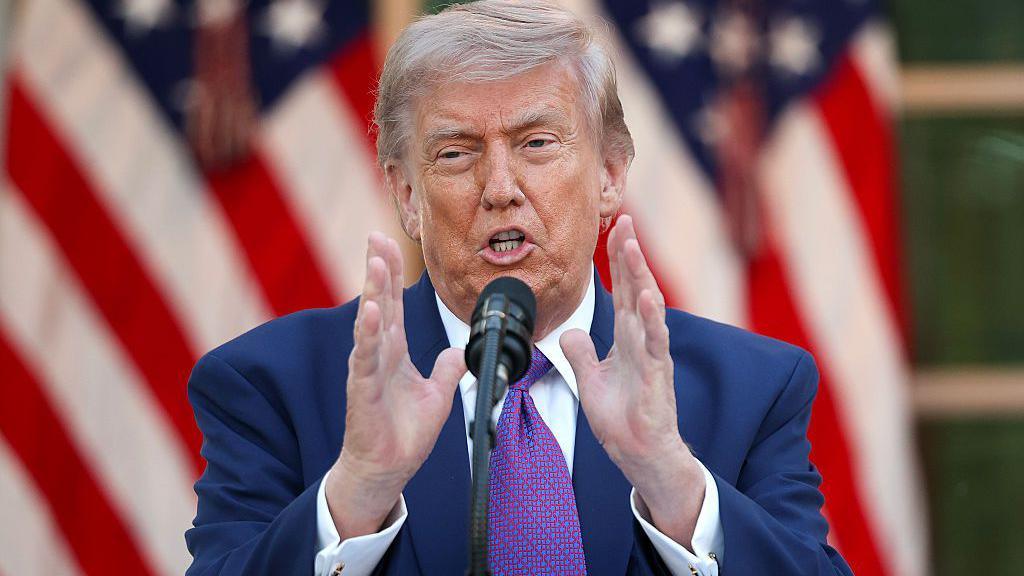
U.S. President Donald Trump cancelled the signing ceremony for a housing bill that included a temporary ban on a central bank digital currency, delaying a measure that had already cleared both chambers of Congress.
In a Wednesday morning post on Truth Social, Trump said the signing of the 21st Century ROAD to Housing Act would be cancelled “until such time as we pass the desperately needed SAVE America Act.” The decision ties the fate of a housing affordability bill, and its crypto-related provisions, to a separate voting measure that has become a political priority for the White House.
The housing bill passed the House on Tuesday after earlier clearing the Senate in an 85-5 vote. It included language barring the Federal Reserve from issuing or creating a CBDC, or any substantially similar digital asset, until the end of 2030. That provision would have placed a multi-year statutory block on any U.S. central bank digital currency effort.
The delay is significant because the bill was expected to be signed without major friction. Its CBDC provision had become part of a broader Republican push to limit the Fed’s ability to develop a government-backed digital dollar, while preserving room for private-sector stablecoins.
How Does The Bill Treat Stablecoins?
The CBDC ban was not written as a blanket restriction on all digital dollar products. The bill included a carve-out for stablecoins, allowing dollar-denominated currency that is open, permissionless, and private.
That distinction matters for crypto firms, payment companies, and banks. A CBDC ban would restrict the Federal Reserve from issuing a digital dollar, but the stablecoin carve-out would keep private digital dollar markets open. In practice, the bill would have reinforced a policy divide between state-issued money and privately issued tokenized dollars.
For the crypto industry, that framework is favorable compared with a broad digital asset restriction. Stablecoin issuers would remain positioned as private infrastructure providers, while the Fed’s role in retail digital currency would be legally constrained for several years.
The political delay does not change the text of the bill, but it prevents those protections from becoming law for now. Until the legislation is signed, the CBDC ban remains passed language rather than enforceable policy.
Investor Takeaway
The market impact is not about an immediate CBDC launch. It is about policy certainty. The bill would have locked in a clear federal block on a digital dollar while preserving stablecoin activity, but the signing delay keeps that framework unresolved.
Why Is A Voting Bill Affecting Crypto Policy?
Trump’s decision reflects a broader legislative tactic. In March, he said he would “not sign other bills” until the SAVE America Act was passed. That measure would require voters to provide proof of U.S. citizenship in person to register.
Supporters argue the measure is needed to protect election integrity. Critics say it could disenfranchise citizens who are already eligible to vote, particularly those who may face difficulty producing the required documents or registering in person.
By linking the housing bill to the voting measure, the White House has placed crypto policy inside a much larger political dispute. That creates uncertainty for digital asset provisions that had otherwise moved through Congress with support attached to a broader housing package.
The delay also creates an awkward position for lawmakers who supported the housing bill. Republican Senator Tim Scott, who chairs the Senate Banking Committee, backed the legislation. Democratic Senator Elizabeth Warren, a co-sponsor, also praised the bill, saying, “I don’t say this often these days, but Congress actually passed something good.”
Could This Affect Market Structure Legislation?
The immediate question for crypto markets is whether Trump’s stance could also affect separate digital asset legislation. The Senate is still expected to consider the Digital Asset Market Clarity Act, known as the CLARITY Act, which would reshape the roles of financial regulators in overseeing digital asset markets.
Trump has previously said he wants to codify a “future-proof digital asset market structure,” a phrase widely understood to refer to market structure legislation. That makes the housing bill delay more complicated. The president supports major crypto legislation in principle, but his refusal to sign other bills before the voting measure advances could slow even legislation that aligns with his stated digital asset agenda.
If Trump vetoes or refuses to sign crypto-related bills, Congress could attempt to override him with a two-thirds majority in both chambers. That threshold is difficult, even for bills that have already shown bipartisan support.
Investor Takeaway
Crypto legislation now faces a procedural risk that is separate from digital asset policy itself. Even measures with industry support and congressional momentum can be delayed if they become tied to broader political bargaining.
What Does This Mean For Crypto Firms?
For stablecoin issuers, the delay keeps an important policy distinction unfinished. The bill’s language would have helped separate privately issued dollar tokens from a prohibited CBDC, giving stablecoin markets a clearer federal backdrop through 2030.
For exchanges and institutional crypto firms, the broader concern is timing. Market structure legislation, stablecoin rules, and CBDC restrictions are all moving through a political calendar where unrelated disputes can slow final approval. That makes planning harder for firms building compliance systems around expected federal rules.
The episode also shows that crypto policy is no longer isolated from national political fights. Digital asset provisions may pass through Congress, but their final path still depends on White House priorities, election-year leverage, and the legislative trade-offs surrounding unrelated bills.
Until the housing bill is signed, the U.S. still lacks a statutory CBDC ban. The Fed remains politically constrained, stablecoins remain central to the private digital dollar debate, and crypto firms are left waiting for Congress and the White House to turn passed language into enforceable law.