
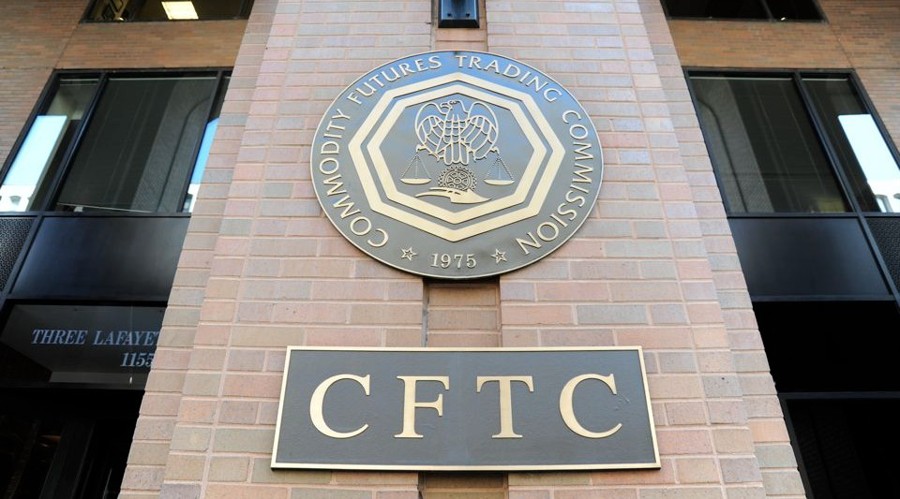
Why Is The CFTC Facing New Scrutiny?
A New York Times investigation published Sunday found that career officials at the Commodity Futures Trading Commission who raised concerns about Polymarket, Crypto.com, and Gemini affiliate Gemini Titan were pushed out of the agency after objecting to regulatory treatment of the firms.
The report, based on agency records and interviews with more than 30 current and former staff members and company officials, described a yearlong effort to clear regulatory hurdles for the 3 companies while sidelining officials who questioned their applications or compliance posture.
The 3 firms had direct or reported business links to members of President Donald Trump’s family. Polymarket received investment from 1789 Capital, a venture firm partly owned by Donald Trump Jr., who also serves as an unpaid adviser to the company. Crypto.com partnered with Trump Media & Technology Group on Truth Predict, a planned prediction market product for Truth Social. Gemini’s founders, Cameron and Tyler Winklevoss, back American Bitcoin, a crypto firm co-founded by Eric Trump.
Career officials reportedly worried that Crypto.com was not treating small bettors fairly, that Polymarket lacked adequate fraud protections, and that Gemini Titan had not completed the required regulatory review before opening for business. Then-acting CFTC Chair Caroline Pham and senior counsel Brigitte Weyls intervened on behalf of the firms, according to the report.
How Did Staff Objections Turn Into Internal Investigations?
The investigation said 2 officials who had raised questions were placed on leave by Christmas, barred from the office, and put under internal investigation. Three others who had enforced crypto laws also faced internal investigations, with none being told what they had done wrong.
The internal effect was clear, according to employees cited in the report. Staff “took away a clear message,” current and former employees told the paper: “Don’t cause trouble for those industries.”
The Gemini Titan episode drew particular attention. Agency employees were reviewing the company’s submission when Weyls reportedly sent them a draft memo recommending approval. That reversed the usual process, where staff prepare recommendations for commissioners. The application was then “swiftly approved,” according to the report.
Pham left the chair’s office in December to join MoonPay, a crypto company whose prediction market effort runs through an exclusive partnership with Polymarket. Weyls started in March as general counsel for Gemini Titan, the same company whose application she had helped move through the agency.
Investor Takeaway
The controversy raises a direct governance risk for prediction market and crypto firms. Favorable regulatory treatment may speed product launches, but allegations of staff retaliation and conflict concerns can make approvals more vulnerable to congressional review, lawsuits, and later rule changes.
What Does The Enforcement Pullback Show?
The CFTC’s crypto enforcement activity has fallen sharply under the second Trump administration. The agency has announced just 2 digital asset cases, both against individual operators, compared with more than 80 during the Biden years and more than 2 dozen during Trump’s first term.
On prediction markets, the commission has filed 1 case, targeting a U.S. Special Forces soldier accused of using classified information to bet on Polymarket about the removal of Venezuelan President Nicolás Maduro.
The agency also dropped at least 5 other crypto investigations, including a late-stage probe of a major exchange, according to the report. Three senior enforcement officials, including the division’s chief counsel, deputy director, and chief trial attorney, were placed under internal investigation in spring 2025. The stated reasons were described only as involving “the handling of certain enforcement matters.”
The shift matters because the CFTC is being considered for wider authority over spot digital commodity markets under the CLARITY Act. The Senate Banking Committee voted 15-9 to advance the bill earlier this month, with 2 Democrats joining Republicans. The House passed its version last July.
Why Does CFTC Leadership Matter Now?
The agency’s leadership structure adds to the concern. Chair Michael Selig, confirmed in December, is currently the CFTC’s sole commissioner because Trump has not nominated replacements for the 4 vacant seats. That gives Selig broad authority to approve rules and authorize lawsuits across markets tied to crypto and prediction contracts.
House Agriculture Committee leaders have urged Trump to fill the vacant seats. Chairman Glenn “GT” Thompson and Ranking Member Angie Craig wrote that the agency would be “best served by a full five-member commission,” with “better regulations, more durable rules, and more sensitivity to the divergent views of key derivatives market stakeholders.”
Selig previously represented crypto firms as a partner at Willkie Farr & Gallagher before serving as chief counsel to the SEC’s Crypto Task Force. His predecessor as Trump’s nominee, Brian Quintenz, had his nomination pulled after the Winklevoss twins reportedly lobbied against him because he would not commit to backing a Gemini complaint against CFTC enforcement attorneys.
The White House rejected the conflict claims. “President Trump only acts in the best interests of the American public,” spokesman Davis Ingle said. “There are no conflicts of interest.” Polymarket said it has strong safeguards, Crypto.com said it fully abides by federal regulations, and Gemini did not respond to questions from the paper. Pham and Weyls also did not respond.
The policy risk is now larger than any single firm. Prediction markets are expanding while state regulators, federal agencies, and Congress are still fighting over who should control them. If the CFTC gains more crypto authority while operating with 1 commissioner and under allegations of internal retaliation, the market may face faster approvals but weaker confidence in the durability of those decisions.