
Plot To Kill Sikh Activist Ends In Heavy Prison Sentence For Recruited Operative
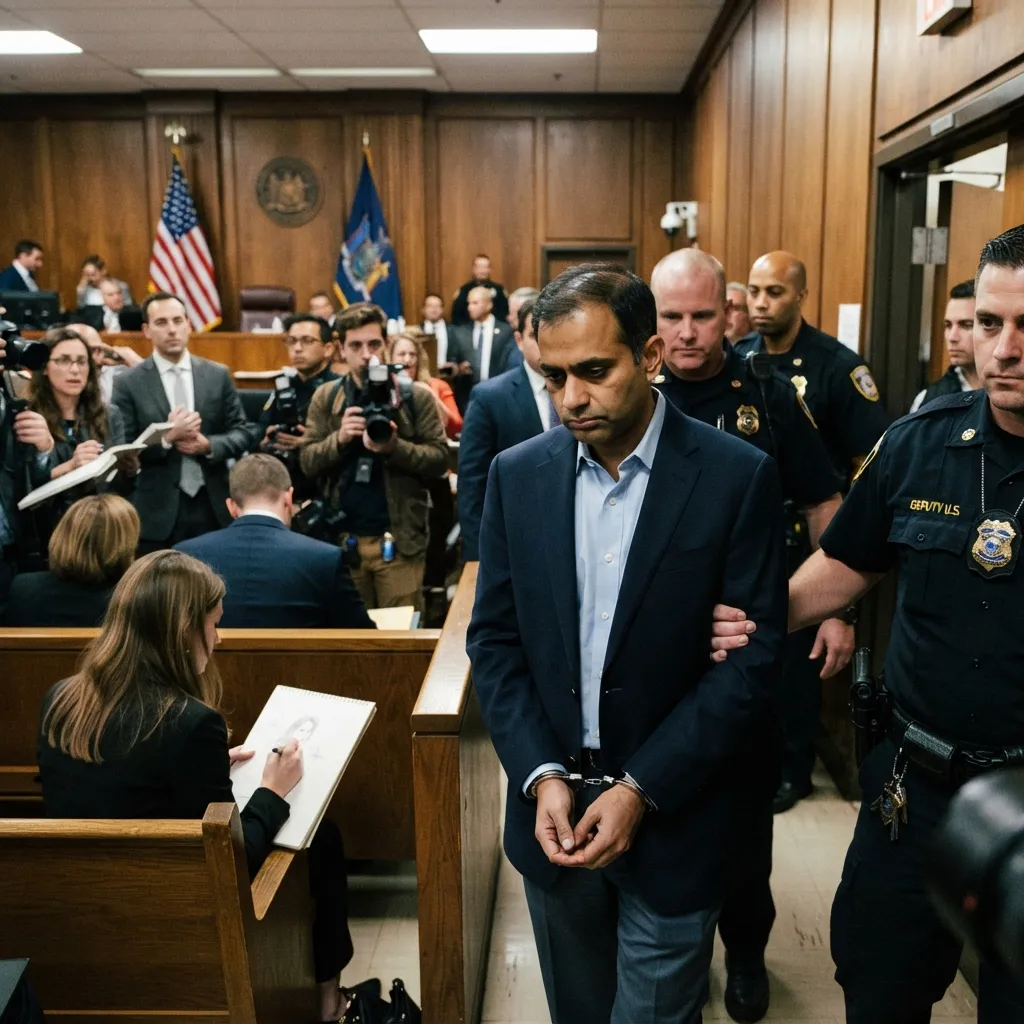
A federal judge handed down a sentence of nineteen and a half years in prison on Friday to Nikhil Gupta, an Indian national who admitted to participating in a deadly conspiracy to kill a political dissident in New York City. The sentencing marks a significant conclusion to a case that sparked international tension, as prosecutors alleged Gupta was recruited by a former Indian intelligence official named Vikash Yadav to carry out the assassination. While Gupta faced justice in a U.S. courtroom after pleading guilty to murder-for-hire and money laundering charges, Yadav remains in India where he faces similar criminal allegations.
The dangerous scheme fell apart when Gupta unknowingly reached out to a confidential source working with the Drug Enforcement Administration. This critical mistake allowed authorities to intercept the plot before it could be executed against Gurpatwant Singh Pannun, a dual citizen of Canada and the United States who leads the group Sikhs for Justice. Pannun is a fierce critic of Prime Minister Narendra Modi’s administration and spends much of his time advocating for Khalistan, an independent state for Sikhs within India’s Punjab province.
This legal battle unfolds against a backdrop of deep diplomatic friction between India, Canada, and the United States. Last year, Canadian officials claimed there was credible evidence that Indian agents were involved in the killing of Hardeep Singh Nijjar, another high profile Sikh separatist shot dead outside his temple in British Columbia. While India has consistently denied these accusations and labeled men like Pannun as terrorists, supporters of the movement argue such claims are merely attempts to silence political dissent through violence and intimidation.
For Pannun, the resolution of this trial does not mean an end to his fear. In a statement provided to the court, he described the mental toll of living under constant surveillance and expensive private security for over three years. He told the judge that intelligence warnings suggest threats against his life remain active, leaving him worried not only for his own safety but for anyone unlucky enough to be standing beside him during an attack.
Related Stories
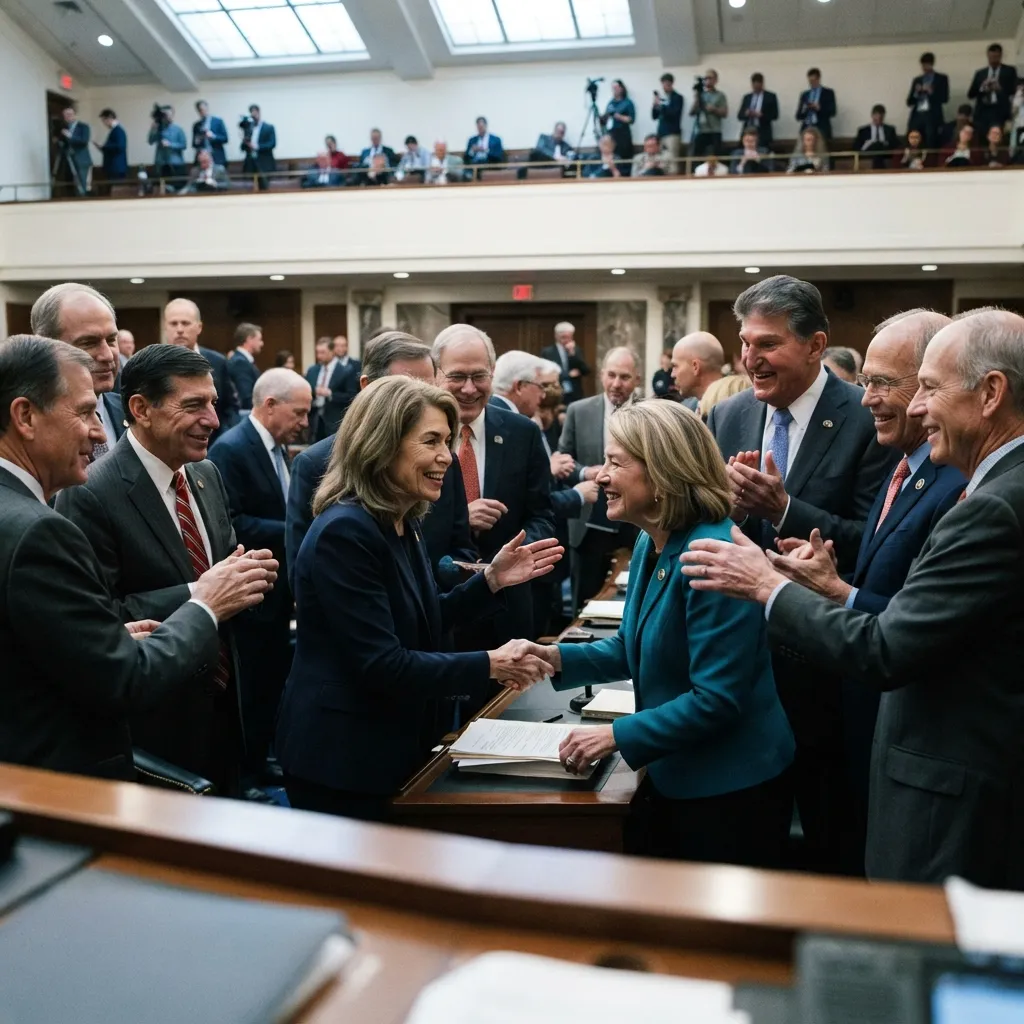
Senate Breaks Deadlock With Sweeping Overhaul of Energy and Data Center Rules
In a rare moment of legislative synergy, the Senate has advanced the Bipartisan American Affordability and Jobs Act…

The Battle for the Soul of the New GOP After Midterm Losses
While the wreckage of the recent midterm elections is still being surveyed, a quiet but intense scramble for…
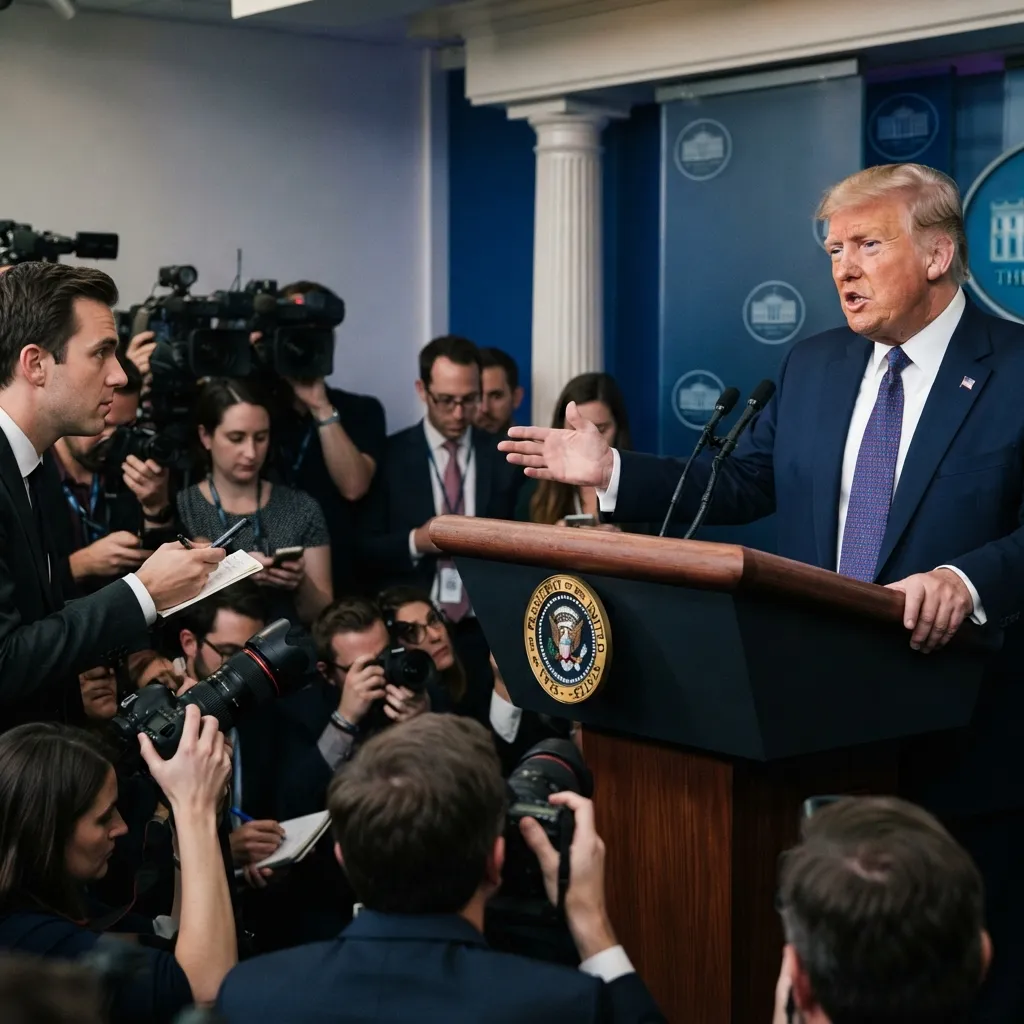
Trump Frames Personal Ties With Putin As Key To Ending Ukraine Conflict
President Donald Trump remained steadfast on Friday in his characterization of Vladimir Putin as a friend, insisting that…
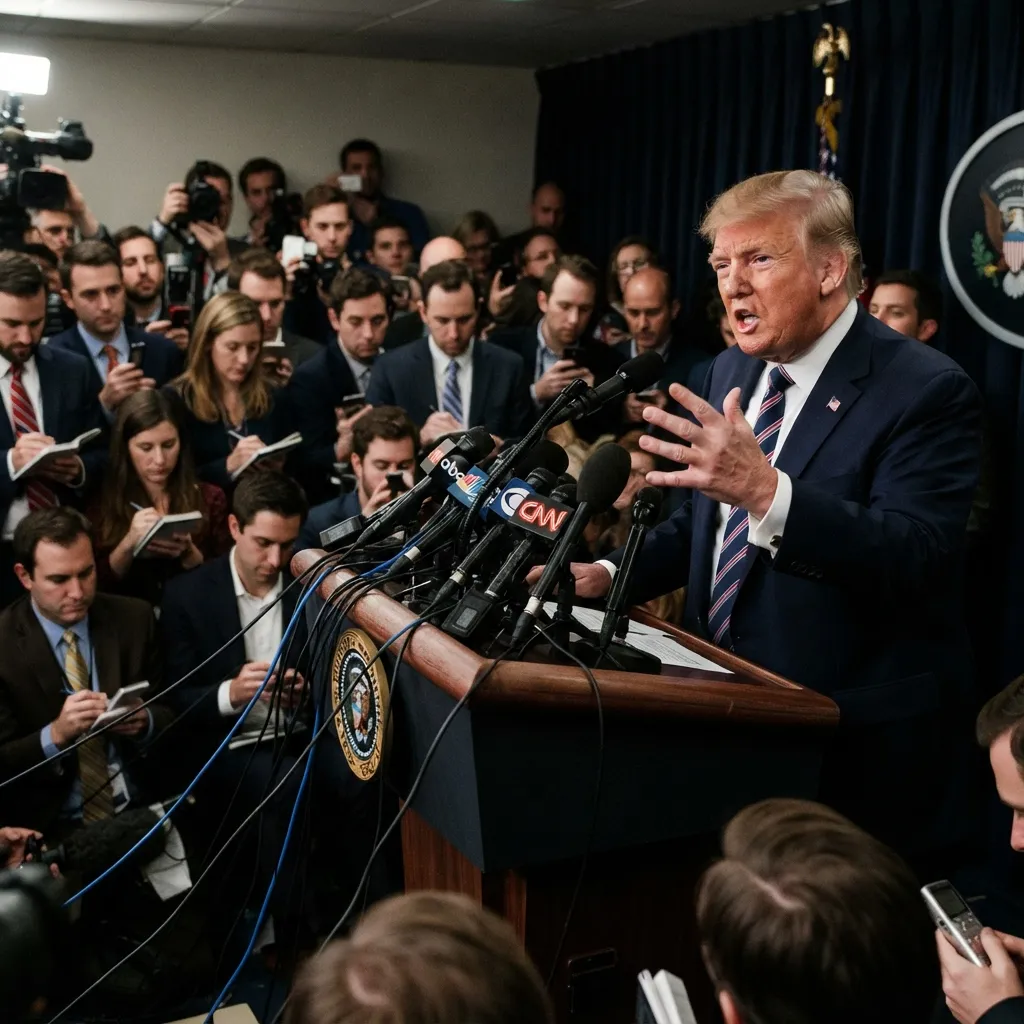
Trump Defends Allies and Vows Legislative War Following Midterm Losses
President Donald Trump held a sprawling ninety minute press conference on Friday, using the platform to address everything…