
Beyond the Ballot Box: Unpacking the Economic Engine of Populism
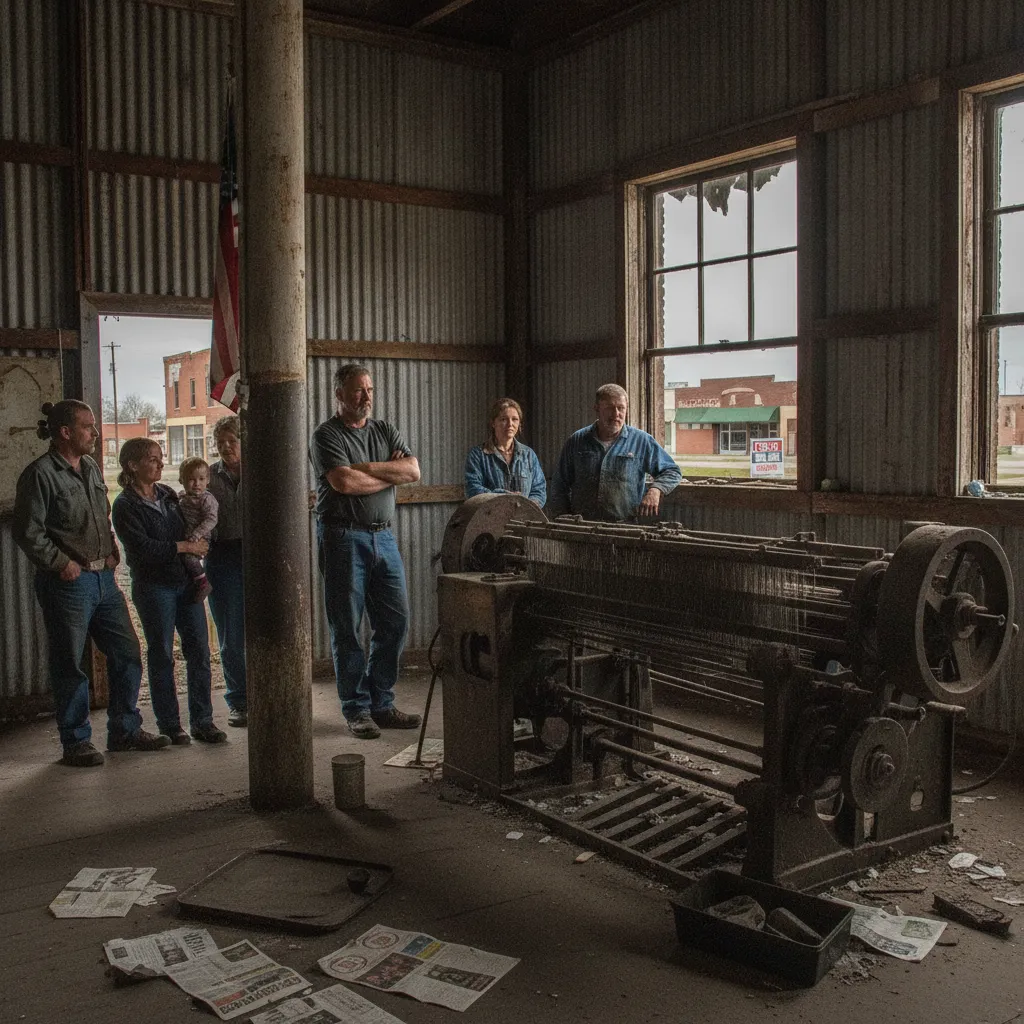
The recent shifts in American electoral dynamics have sparked a necessary debate about what actually drives voters toward populist movements. While much of the public discourse focuses on the loud clashes of the culture war, some researchers argue that these societal frictions are merely a veil for deeper economic desperation. Data suggesting a link between low social mobility and political volatility indicates that Trump’s initial ascent wasn’t fueled by ideology so much as by a sense of systemic betrayal in regions where hard work no longer guaranteed a path upward.
In this framework, the rhetoric of identity served as a convenient translation tool for financial pain. The loss of manufacturing jobs was rebranded as an attack by foreign powers, while the erosion of traditional family wages was framed as a casualty of feminism and climate policy. By turning economic anxiety into a battle over heritage and values, it became possible for a specific coalition to overlook policies like corporate tax cuts and welfare reductions that did little to alleviate their actual material struggles.
However, current trends suggest that when daily costs become unbearable, the allure of cultural warfare fades. With skyrocketing grocery bills and energy prices taking center stage, voters appear more interested in their bank accounts than in symbolic victories. This shift is evident in the election of diverse candidates across various states, signaling that identity politics lose their grip when the economy begins to speak for itself through inflation and cost-of-living crises.
Despite these changes, there remains a lingering concern that neither major party has addressed the root cause of this instability. Simply rejecting a particular personality does not dismantle the machinery of grievance that created them. Unless political leaders move beyond blaming corruption or clinging to divisive narratives and instead create genuine opportunities for social mobility, the environment that fostered populism will remain intact, waiting for the next figure capable of translating hardship into anger.
Related Stories
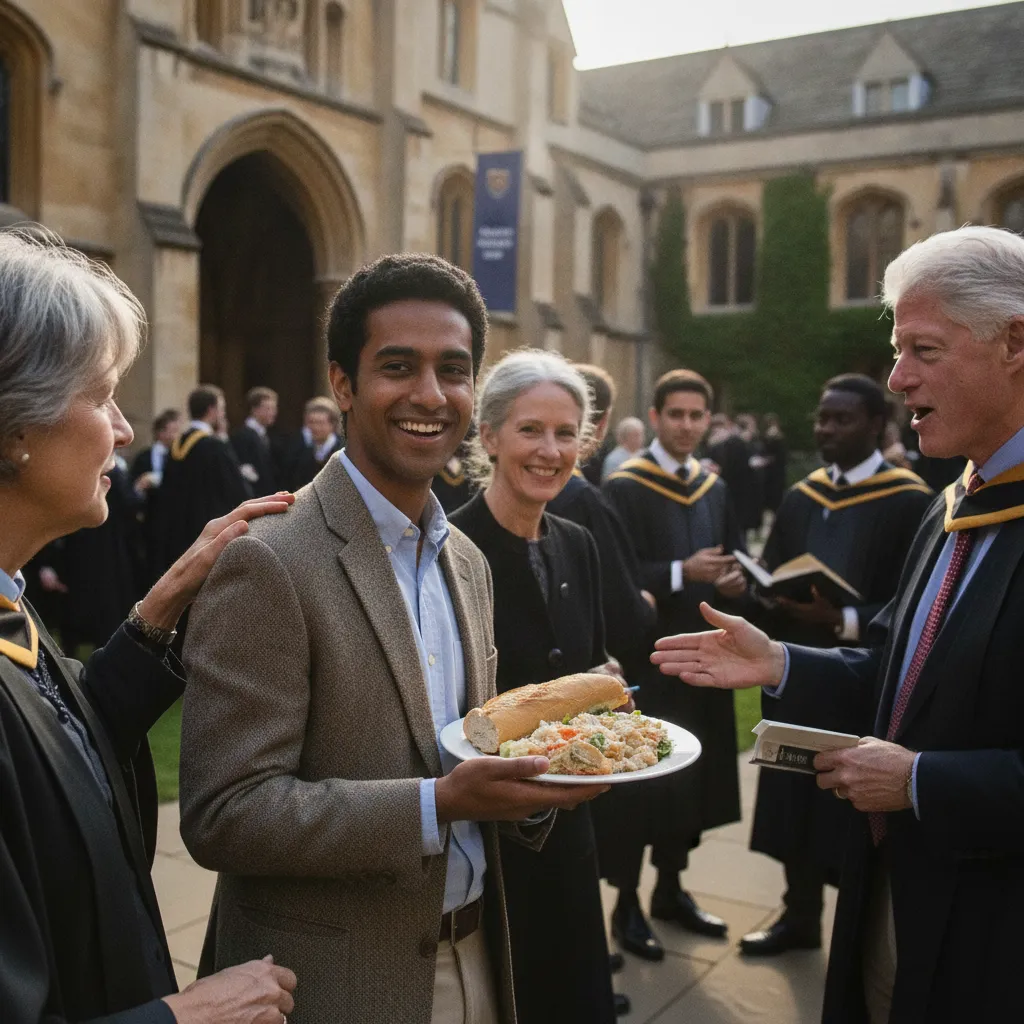
From Coronation Chicken to the Senate: The Making of Abdul El-Sayed
Long before he became history’s first Muslim senator, Abdul El-Sayed was a standout figure at the University of…
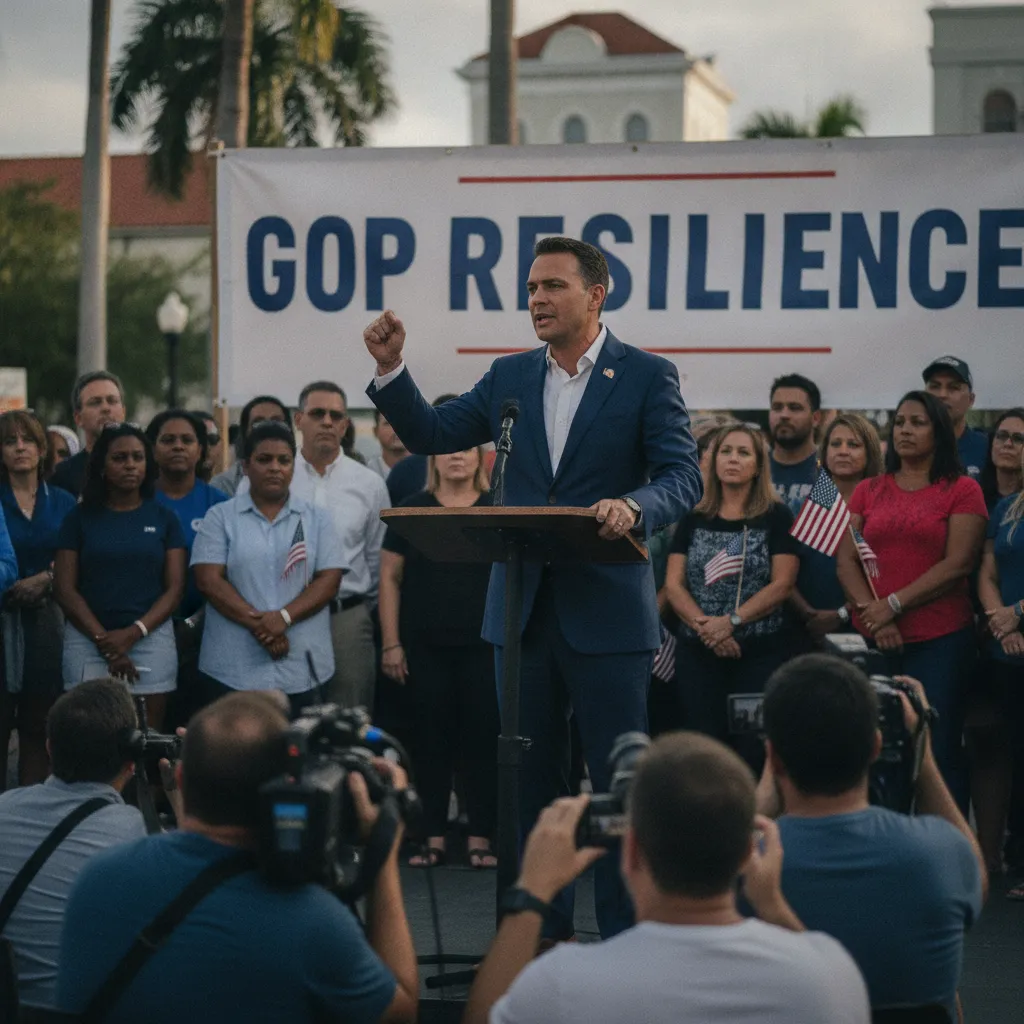
From Combat to Campaigning: Florida’s Warrior Lieutenant Governor Calls for GOP Resilience
Jay Collins is not a man who shies away from a crisis. As a former Green Beret, he…
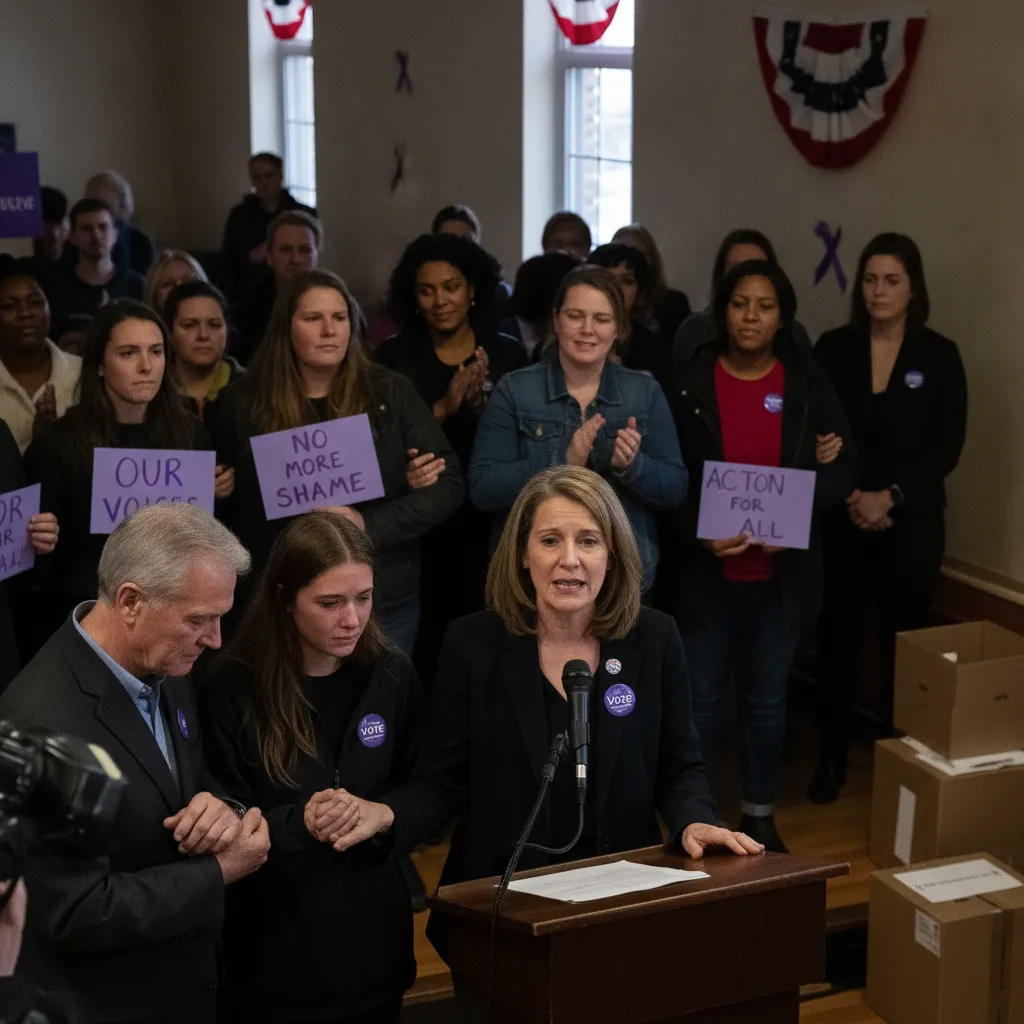
Silence Broken at the Ballot Box as Abuse Survivors Become a New Political Force
For many survivors of sexual violence, politics often feels like a space where their traumas are either ignored…
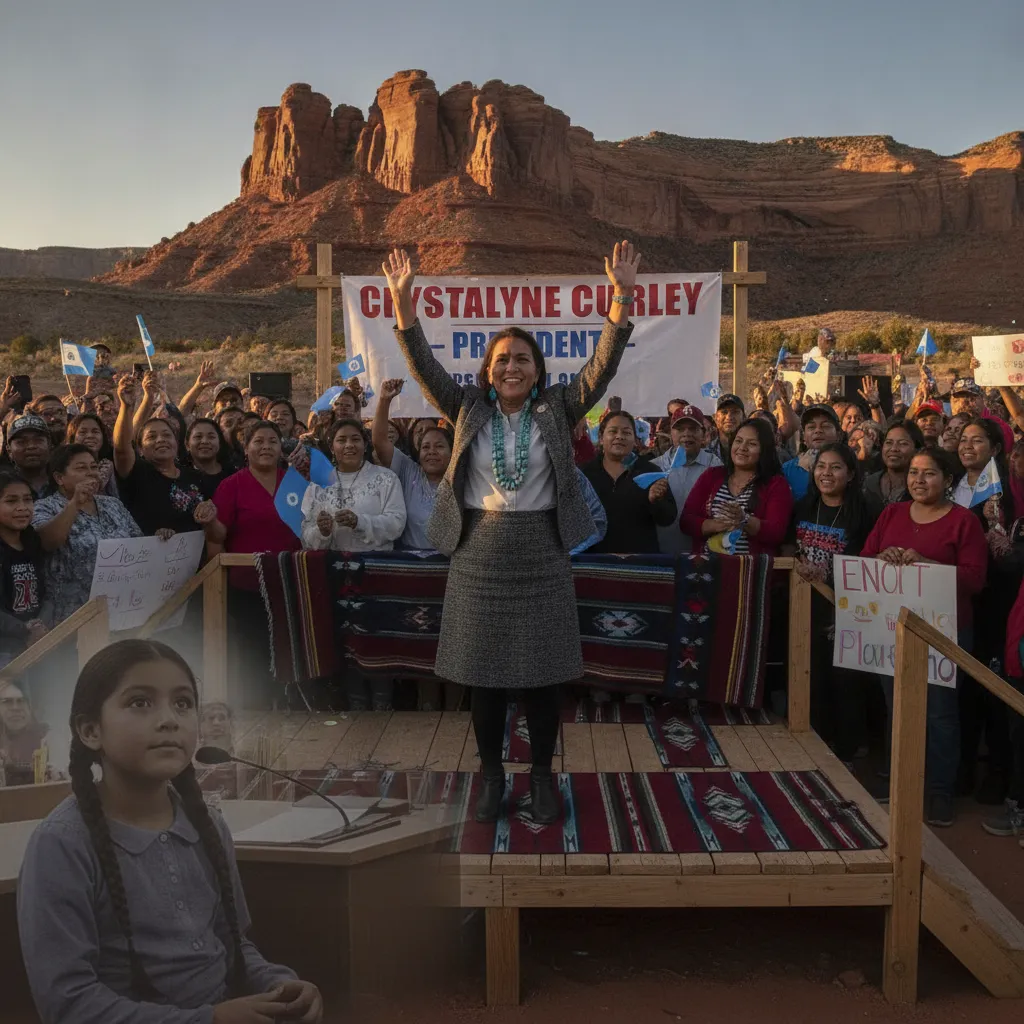
Breaking the Glass Ceiling Across Tribal Lands and State Lines
Crystalyne Curley first discovered her passion for politics during a third grade field trip to the Navajo Nation…