
A Legacy of Courage Echoes Through the Golden State
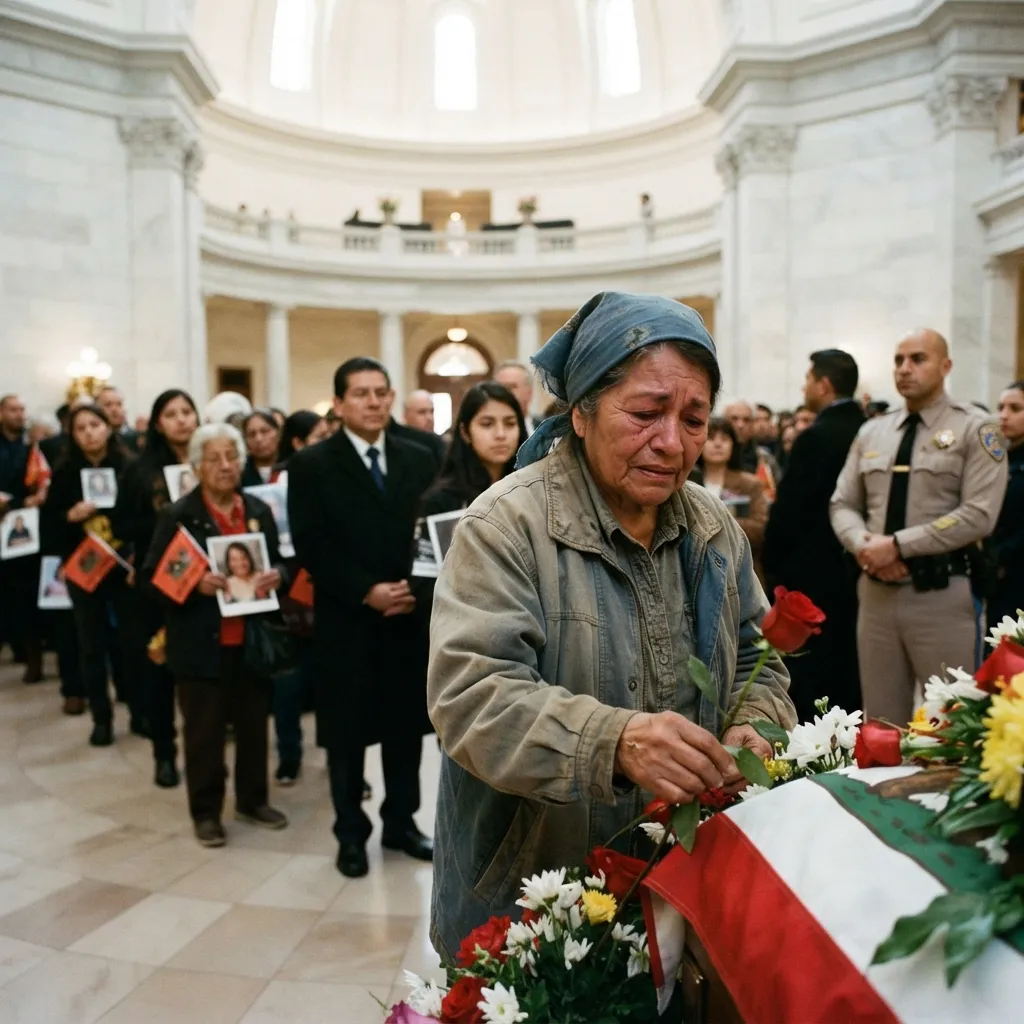
California paused this week to bid a final farewell to Dolores Huerta, a titan of labor rights and civil rights whose influence reshaped the American landscape. At the State Capitol, crowds gathered in long lines to pay their respects as state leaders remembered the woman they called the mother of the Latino civil rights movement. From high ranking officials to the workers she spent her life defending, those in attendance described Huerta not just as an activist, but as a force of nature who proved that ordinary people possess a power far greater than wealth or fear.
Assembly Speaker Robert Rivas and Senate President pro tempore Monique Limón emphasized that while Huerta has passed away at ninety six, her mission remains unfinished. The sentiment throughout the ceremonies was one of continuity rather than conclusion, with many pledging to carry her baton forward into future struggles for justice. Governor elect Xavier Becerra noted how Huerta’s voice echoed from the dusty fields of California all the way to the halls of Congress, demanding that the United States finally live up to its own promises of equality.
The celebrations eventually returned to Bakersfield in the Central Valley, bringing Huerta back to where her lifelong battle for farmworkers rights first ignited decades ago. Local mourners recalled her rare combination of fierce commitment and deep compassion for the most vulnerable members of society. For many, her famous rallying cry, Si se puede, serves as more than just a slogan; it stands as a permanent reminder that through integrity and collective action, meaningful change is always possible.
Huerta leaves behind a sprawling family legacy including thirteen children and dozens of grandchildren and great grandchildren. As prayers were offered during a recent rosary service, speakers thanked God for gifting the world with a woman who spoke truth to power across borders and generations. While she died at home on October twenty eighth, her presence continues to linger in every field and courtroom where laborers still fight for dignity and fair treatment under the law.
Related Stories
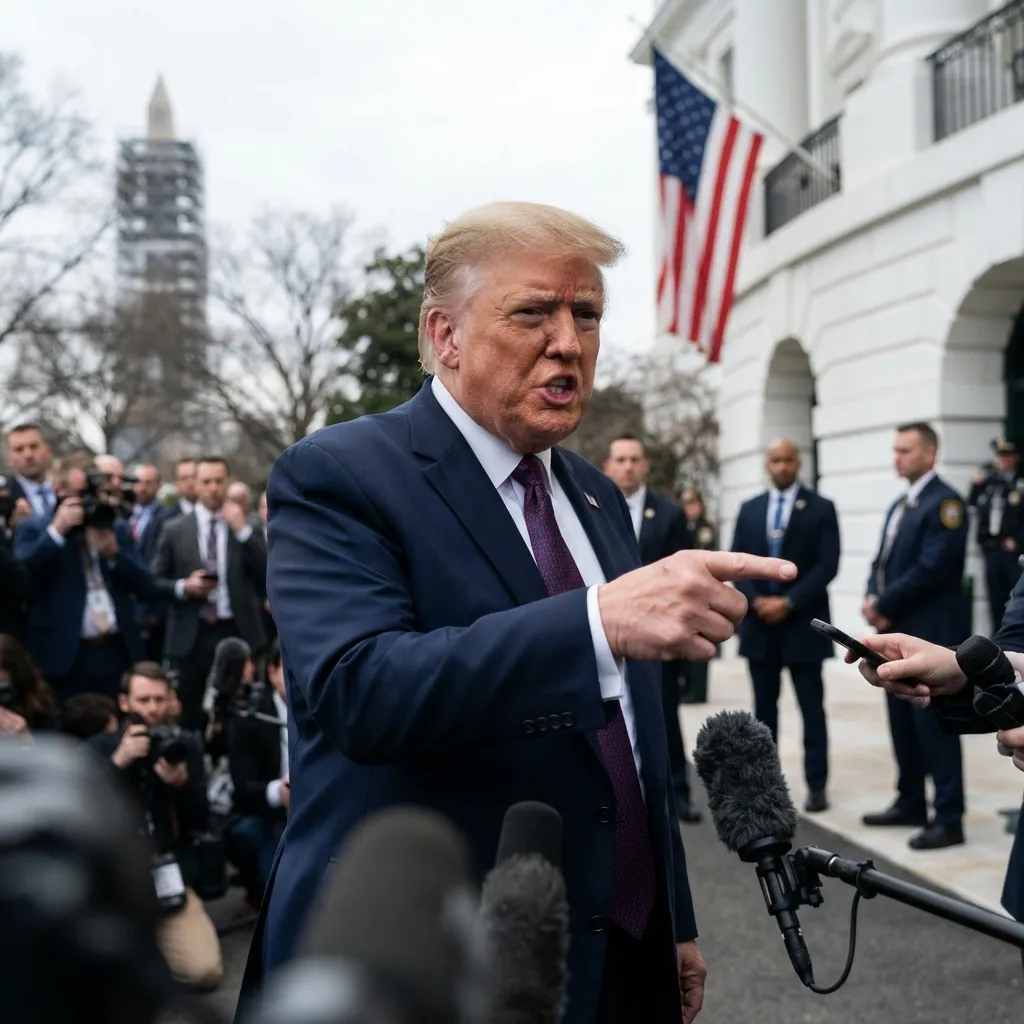
Trump Signals Potential Military Escalation Against Tehran as Diplomacy Falters
President Donald Trump has issued a stark warning to Iran, suggesting that military strikes could be imminent after…
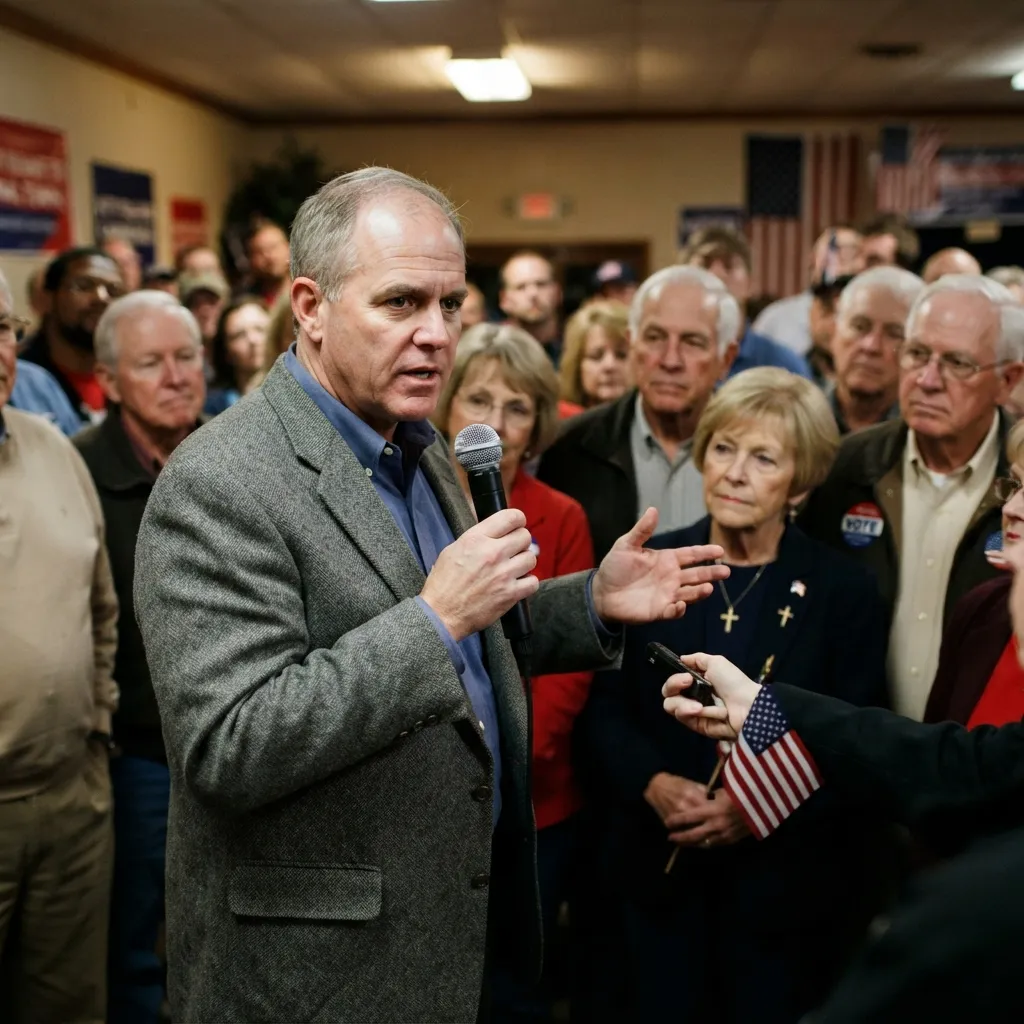
The Evangelical Anchor Pulling the GOP Away From the Center
The Republican Party is exiting its latest electoral battle facing a paradoxical crisis. While white evangelical Christians remained…
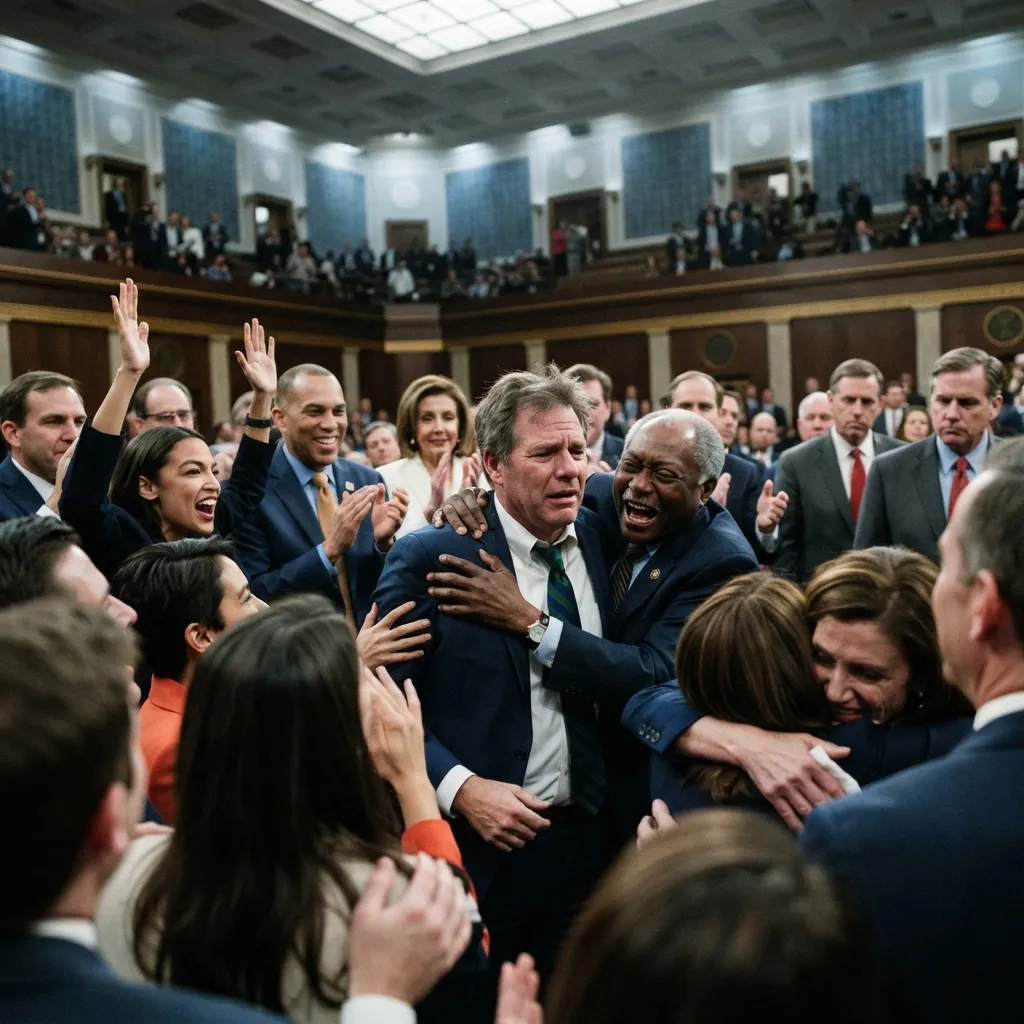
Blue Tsunami Sweeps Capitol as Democrats Seize Massive House Mandate
Democratic lawmakers crossed a historic threshold on Sunday, securing their 258th seat in the House and claiming the…
The Balancing Act Between Accountability and Affordability
Democrats now find themselves at a crossroads following their recent success in the midterms, grappling with a fundamental…