
A House Divided Over the Ballot Box in Jerusalem

Jewish Americans are watching this month’s high stakes elections in Israel with a mixture of anxiety and intense emotional investment. While they cannot cast ballots, the result is being treated as a critical referendum on Prime Minister Benjamin Netanyahu during a period defined by the lingering trauma of the October 7 attacks and the subsequent war in Gaza. The atmosphere across the United States has become increasingly charged, reflecting a community split along religious, political, and generational fault lines.
For many Orthodox Jews, Netanyahu represents a necessary shield for a nation central to their very identity. These supporters view his hardline stance as essential for survival against persistent regional threats. Conversely, many liberal and younger Jewish Americans fear that his leadership has damaged Israel’s international reputation and fueled domestic tensions within the U.S. This divide is starkly visible among the youth; while older generations often see support for Israel as fundamental to their faith, fewer adults under 45 share that singular conviction, with some feeling increasingly alienated by current Israeli policies.
This internal friction is further complicated by a sharp rise in antisemitism throughout the United States. There is a haunting debate playing out in synagogues and universities over whether a change in Israeli leadership could dampen hatred toward Jews globally. Some argue that moving away from Netanyahu’s administration toward a leader focused on peace would shift public perception, while others insist that those committing hate crimes act independently of any foreign government’s policy.
Ultimately, the upcoming vote highlights a profound struggle for identity among American Jews who find themselves caught between two worlds. From Reform congregations hosting emergency educational seminars to individuals fearing for their safety on American streets, there is a shared sense that whatever happens at the polls in Israel will resonate far beyond its borders. Whether through hope for diplomatic renewal or gratitude for strong defense, the community remains bracing for an outcome that promises to redefine their relationship with the Jewish state.
Related Stories

The High Stakes Gamble of Pete Hegseth’s Warrior Persona
Defense Secretary Pete Hegseth has long leaned into controversy, but his recent proposal to livestream the execution of…

GOP Governor Hopefuls Pivot Away From Hardline Abortion Bans
Republican candidates vying for governorships across several swing states are quietly shifting their rhetoric on abortion, moving away…
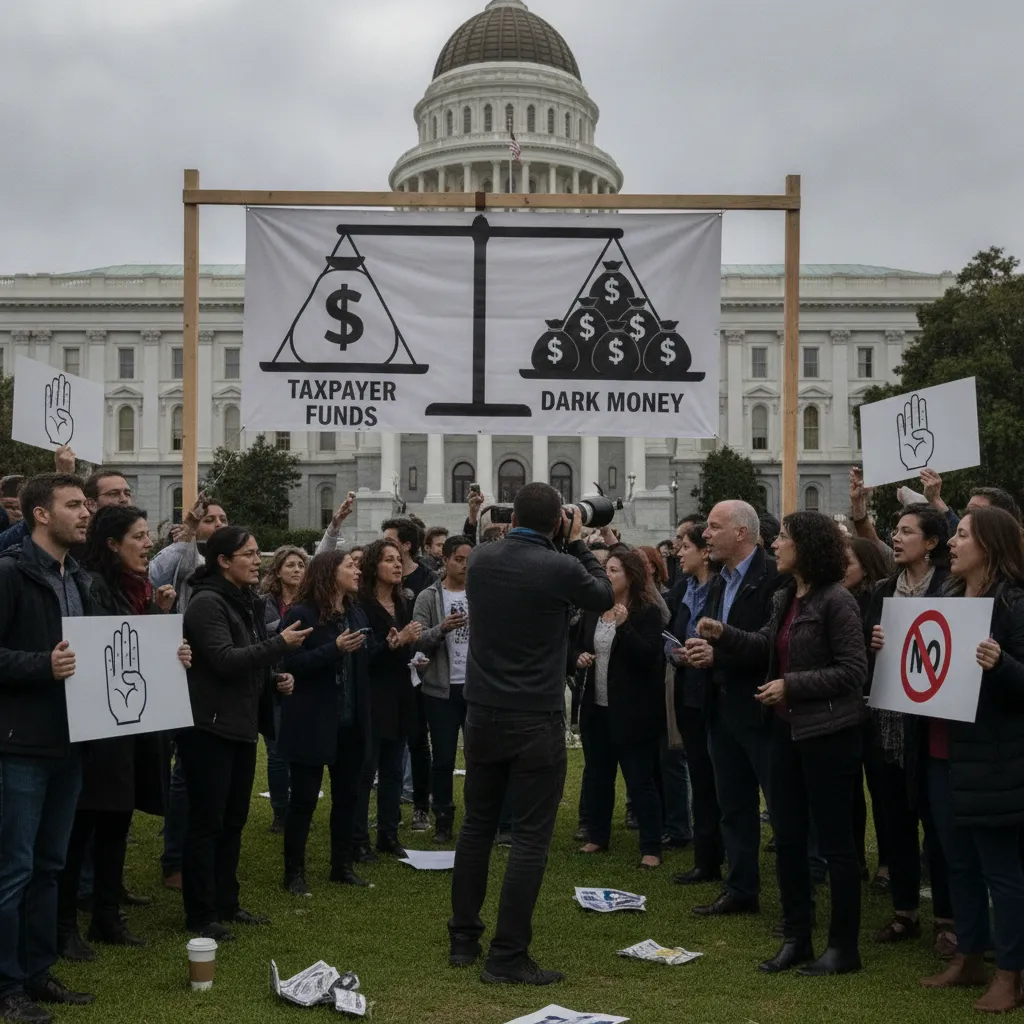
Taxpayer Dollars vs. Dark Money: The Battle Over California’s Campaign Finance Shift
California voters are preparing to decide whether the state should overturn a decades old prohibition on using public…
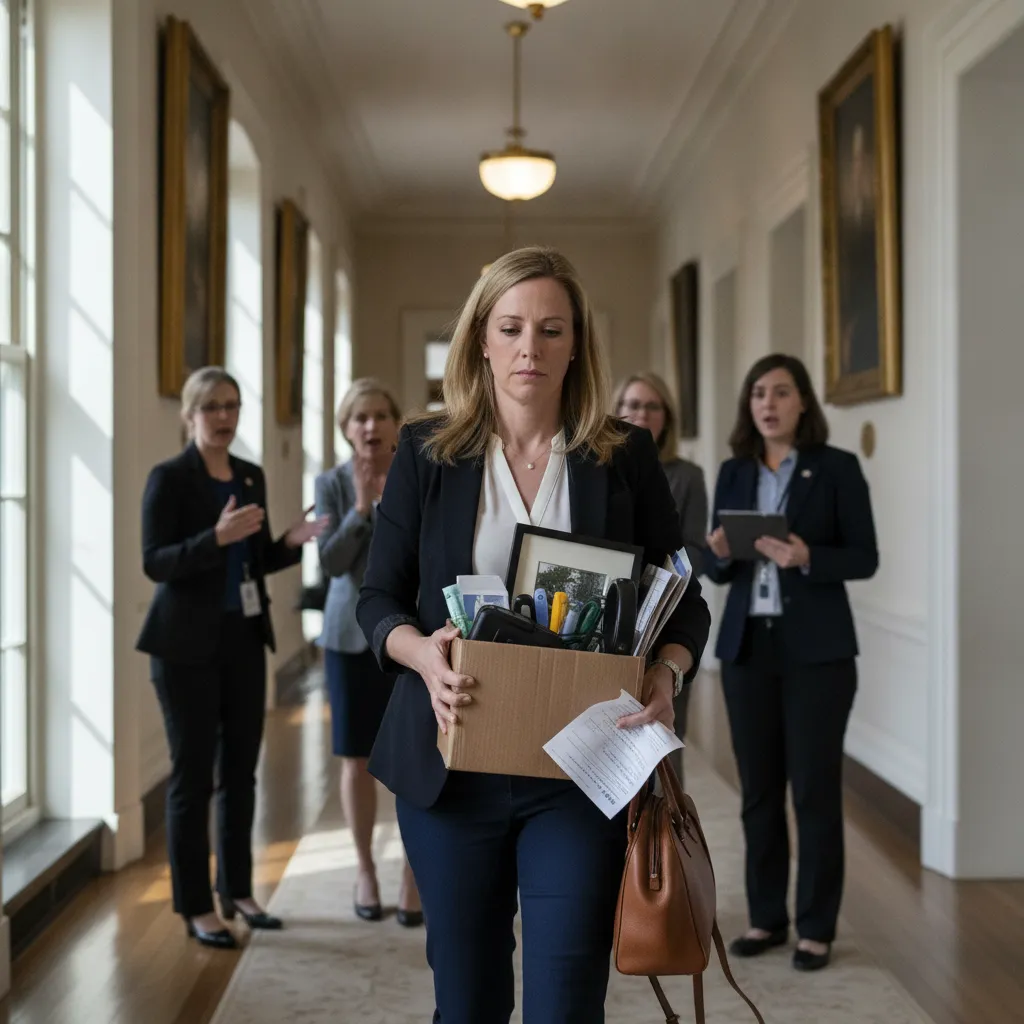
Shortest Tenure in History: Katie Zacharia Exits Press Secretary Role After Five Days
The revolving door at the White House has spun faster than ever before, as Katie Zacharia departed her…