
Senate Breaks Deadlock With Sweeping Overhaul of Energy and Data Center Rules
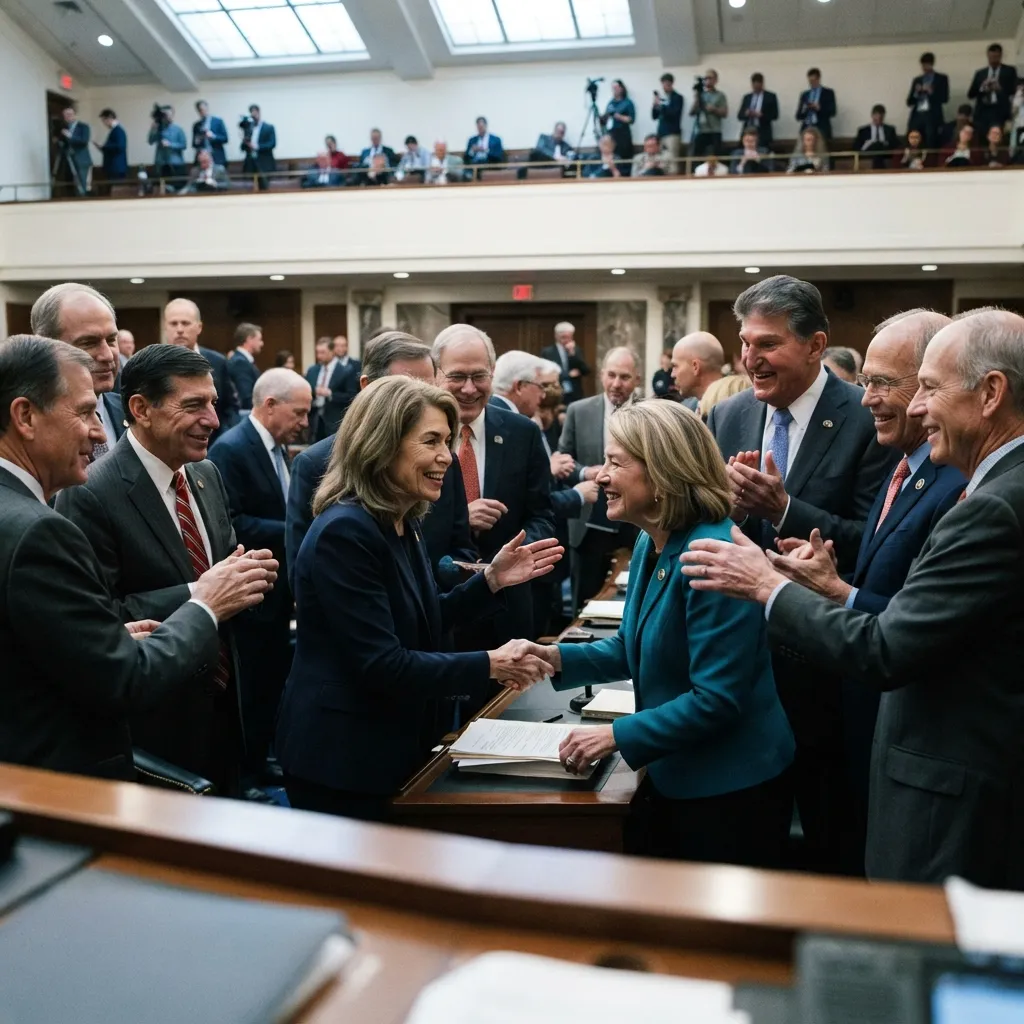
In a rare moment of legislative synergy, the Senate has advanced the Bipartisan American Affordability and Jobs Act of 2026, a comprehensive piece of legislation designed to dismantle the bureaucratic hurdles slowing down national infrastructure. By streamlining environmental reviews and limiting the scope of legal challenges that often freeze multi-billion dollar investments, the bill aims to accelerate everything from traditional oil and gas pipelines to renewable energy arrays. Lawmakers argue that these reforms are essential to curb inflation and secure American energy independence in an increasingly volatile global market.
Senator Alan Armstrong of Oklahoma, drawing on his experience as a former CEO, emphasized that endless litigation has become a primary barrier to progress. He noted that while the United States possesses vast natural resources, outdated permitting processes frequently allow court battles to stall critical projects indefinitely. For proponents of the bill, this shift represents a transition toward proactive governance where infrastructure can be built efficiently without abandoning core environmental protections.
Beyond raw energy production, the legislation takes aim at the exploding growth of artificial intelligence and its associated power demands. A key compromise led by Senator Martin Heinrich ensures that massive data centers cannot offload their immense electricity costs onto average residential ratepayers. Under the new rules, high-demand facilities must provide financial guarantees for infrastructure upgrades and cover their own power requirements by law rather than mere suggestion, protecting consumers from price hikes driven by corporate tech expansions.
Despite the victory in the Senate and backing from the White House, the path forward remains uncertain as the bill heads to the House of Representatives. While much of the language reflects previous work done in the lower chamber, concerns remain regarding whether enough members will mobilize to ensure its passage. If successful, however, supporters believe the act will trigger a surge in job creation and significantly lower utility costs for millions of Americans.
Related Stories

Plot To Kill Sikh Activist Ends In Heavy Prison Sentence For Recruited Operative
A federal judge handed down a sentence of nineteen and a half years in prison on Friday to…

The Battle for the Soul of the New GOP After Midterm Losses
While the wreckage of the recent midterm elections is still being surveyed, a quiet but intense scramble for…

Trump Frames Personal Ties With Putin As Key To Ending Ukraine Conflict
President Donald Trump remained steadfast on Friday in his characterization of Vladimir Putin as a friend, insisting that…

Trump Defends Allies and Vows Legislative War Following Midterm Losses
President Donald Trump held a sprawling ninety minute press conference on Friday, using the platform to address everything…