
Silence Broken at the Ballot Box as Abuse Survivors Become a New Political Force
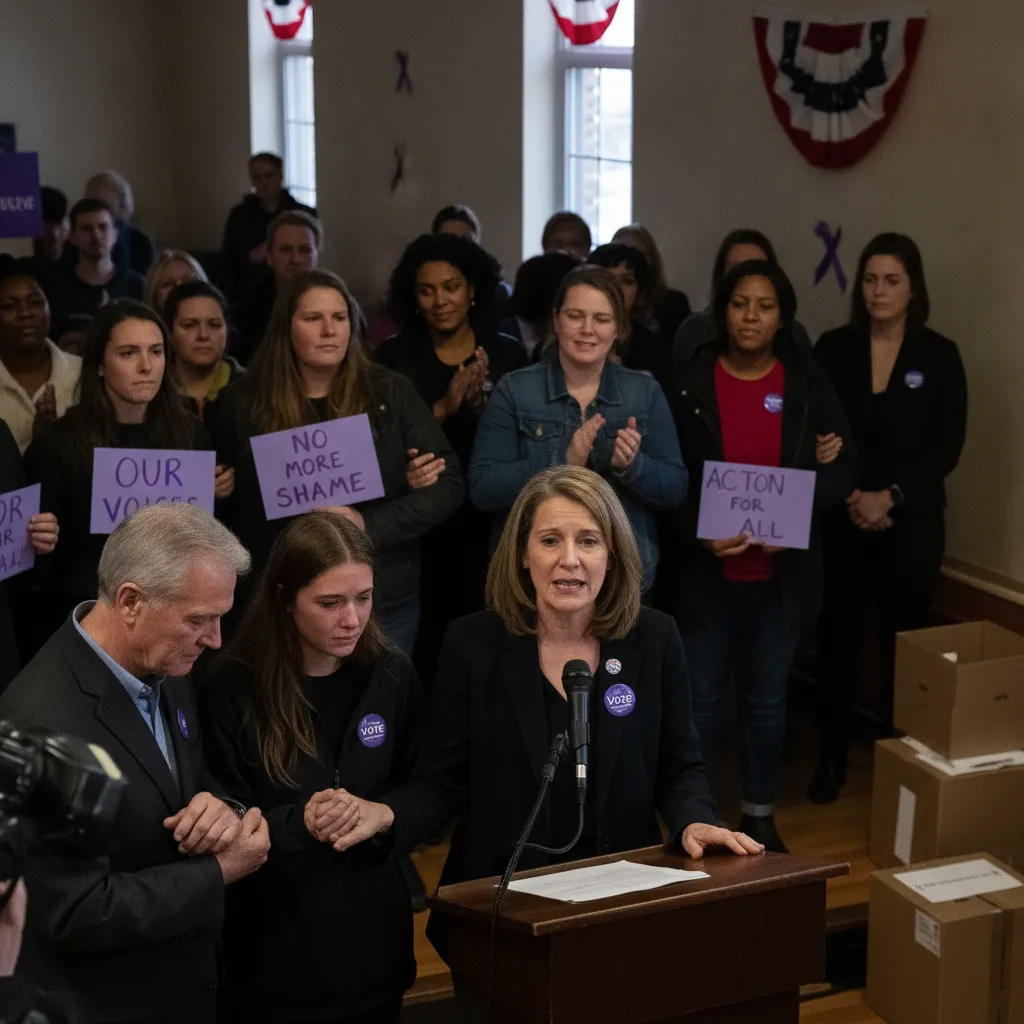
For many survivors of sexual violence, politics often feels like a space where their traumas are either ignored or weaponized. That dynamic shifted dramatically during the recent midterm elections, where a growing coalition of survivors transformed their shared pain into a potent political engine. In Ohio, this shift was exemplified by the victory of Dr. Amy Acton, who won the governor’s mansion despite a multimillion dollar attack ad campaign that attempted to use her history of childhood abuse to discredit her. For voters like Leanna Rocheleau, a small business owner and survivor herself, the aggressive ads didn’t alienate supporters but instead acted as a catalyst for mobilization.
Rocheleau represents a broader trend of survivors moving from private healing to public advocacy. After facing systemic failures in her own pursuit of justice following an assault by a massage therapist, she began lobbying legislators to dismantle the legal barriers that prevent victims from seeking accountability. Her journey mirrors those of activists like Chris Graham, who organizes survivors within the halls of government to ensure their voices shape policy rather than serve as campaign fodder. Together, they are helping define what experts call a distinct political constituency defined by lived experience with gender based violence.
The electoral map reflects this emerging influence, showing an increasing intolerance for candidates linked to abuse. From Northern Ohio to Maine and California, several politicians faced defeat or were forced out of races following allegations of sexual misconduct or domestic violence. Even in traditionally Republican districts in Arizona, candidates who have spoken openly about their survival are finding unexpected resonance with voters regardless of party affiliation. This suggests that the electorate is becoming more receptive to transparency and less tolerant of behavioral red flags in leadership.
Liz Roberts, head of Safe Horizon, describes these outcomes as an unambiguous win for survivors everywhere. The fact that someone like Dr. Acton could speak candidly about her past and still earn the trust of the public marks a cultural turning point. By refusing to let shame remain a tool for political suppression, this movement is proving that disclosure can be a source of strength and legitimacy rather than a liability, effectively rewriting the playbook for how trauma is handled in American public life.
Related Stories

From Coronation Chicken to the Senate: The Making of Abdul El-Sayed
Long before he became history’s first Muslim senator, Abdul El-Sayed was a standout figure at the University of…
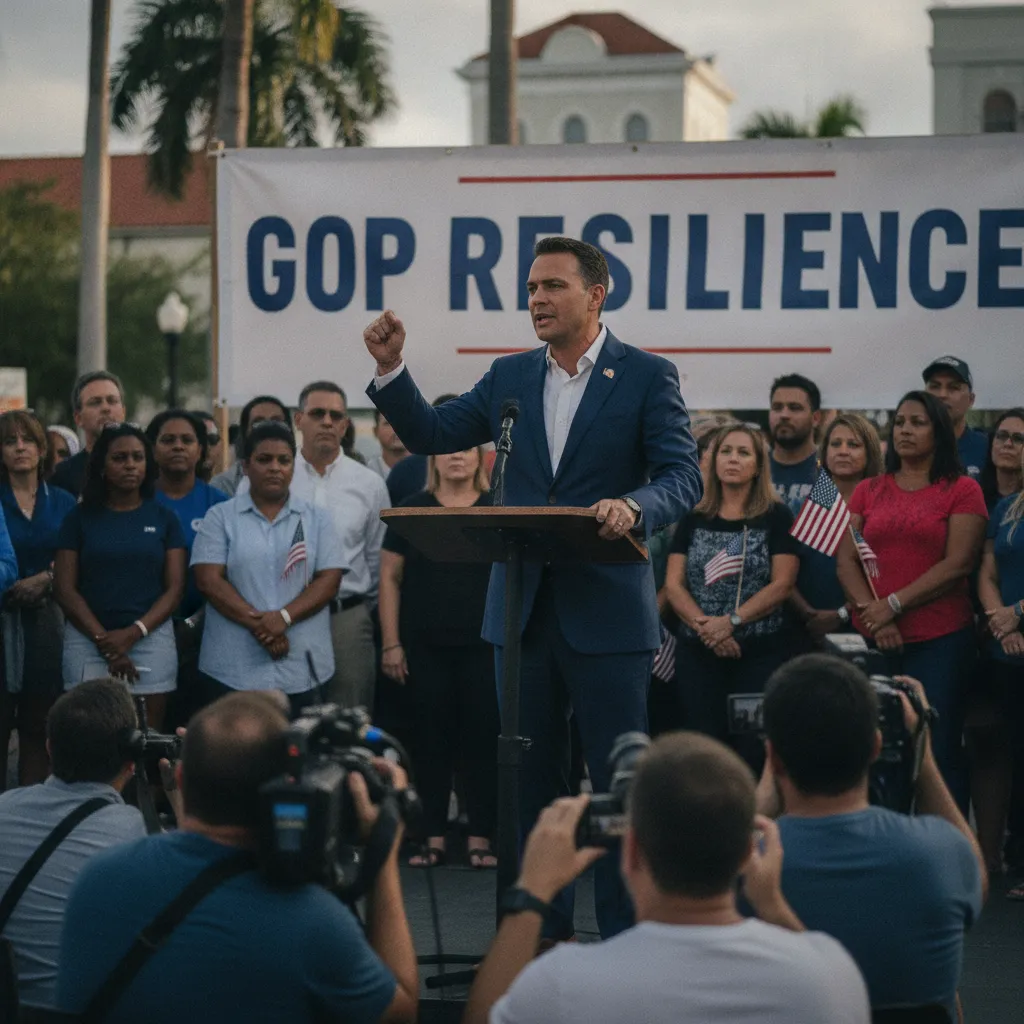
From Combat to Campaigning: Florida’s Warrior Lieutenant Governor Calls for GOP Resilience
Jay Collins is not a man who shies away from a crisis. As a former Green Beret, he…

Beyond the Ballot Box: Unpacking the Economic Engine of Populism
The recent shifts in American electoral dynamics have sparked a necessary debate about what actually drives voters toward…

Breaking the Glass Ceiling Across Tribal Lands and State Lines
Crystalyne Curley first discovered her passion for politics during a third grade field trip to the Navajo Nation…