
Why Is The Bitcoin Reserve Plan Facing New Questions?
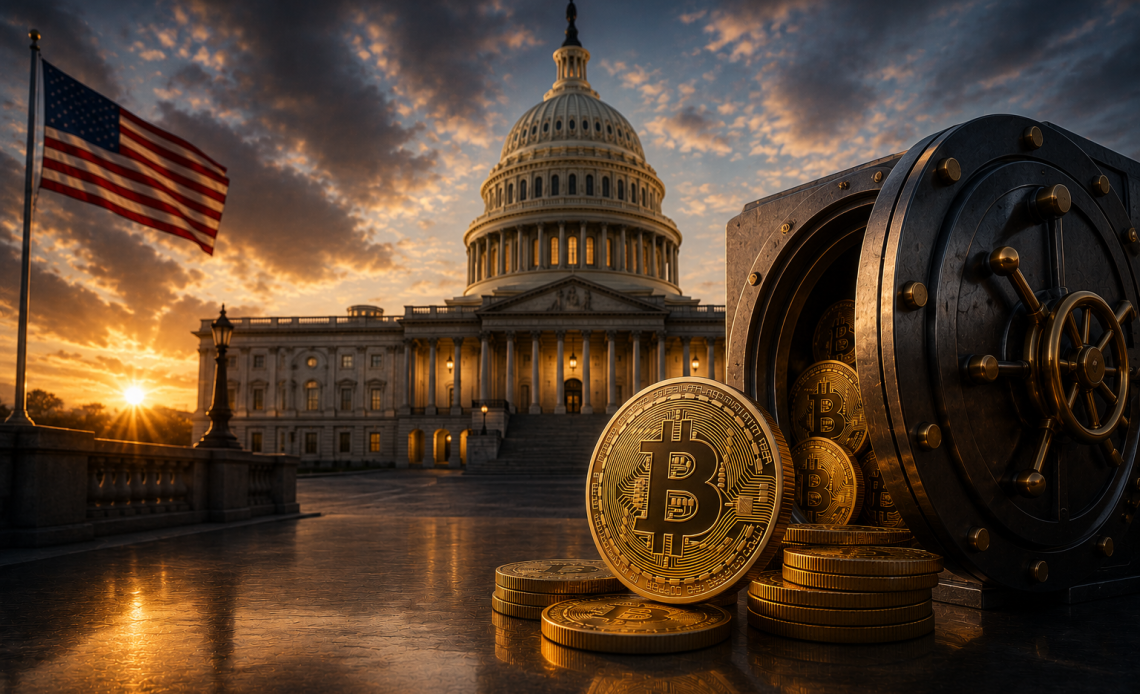
President Donald Trump’s plan for a strategic bitcoin reserve is facing legal and jurisdictional questions, slowing one of the administration’s most visible crypto policy proposals.
The reserve was laid out early in Trump’s presidency as part of a wider plan to make the US a more active player in digital assets. The initial structure focused on bitcoin already owned by the government through criminal or civil forfeitures, alongside a separate digital asset stockpile. The order also directed the Treasury Department and Commerce Department to explore budget-neutral ways to acquire bitcoin without adding costs for taxpayers.
The complication now centers on whether the Treasury Department can legally manage the reserve. That question matters because government-held bitcoin sits at the intersection of asset custody, fiscal authority, forfeiture law, and broader federal balance sheet management. A reserve that is politically simple to announce can be harder to place inside the legal machinery of government.
The issue has also opened a jurisdictional debate. Conversations have reportedly shifted toward whether the reserve could instead sit inside the Commerce Department. That would move the project away from the department most directly associated with federal finances and into an agency more closely tied to industrial policy, innovation, and economic competitiveness.
What Is The Legal Issue Around Holding Bitcoin Indefinitely?
One of the core questions is whether the government can hold bitcoin indefinitely, especially given the asset’s volatility. Bitcoin acquired through forfeiture is usually tied to law enforcement outcomes, not a long-term national reserve strategy. Turning seized assets into a permanent strategic holding may require clearer legal authority than simply transferring custody between agencies.
The problem is not only operational. A strategic reserve implies that the government is choosing to hold bitcoin as a policy asset rather than liquidating it as forfeited property. That changes the purpose of the holding and raises questions about who has the authority to make that decision, how the reserve would be valued, and what rules would govern future sales or acquisitions.
Volatility adds another layer. Unlike gold or foreign currency reserves, bitcoin can move sharply over short periods. A large federal holding could create political pressure during market declines, especially if the reserve’s value falls after the government chooses not to sell. It could also create questions over whether the government is influencing the market by holding, transferring, or acquiring bitcoin.
A White House spokesperson said the administration is still reviewing the structure. “President Trump campaigned on a vision of cementing America as the global capital of cryptocurrency and other cutting-edge technologies,” Liz Huston said. “To deliver on the President’s vision, the Trump administration continues to evaluate the best structure for a Strategic Bitcoin Reserve and U.S. Digital Asset Stockpile.”
Investor Takeaway
The reserve plan remains politically important for bitcoin, but the delay shows that federal crypto policy still depends on legal plumbing. A strategic bitcoin reserve cannot move from campaign promise to market catalyst until custody, authority, and long-term holding rules are resolved.
Why Does The Agency Choice Matter?
Whether the reserve sits inside Treasury or Commerce could shape how markets interpret the policy. A Treasury-managed reserve would frame bitcoin more like a sovereign financial asset, closer to the language of reserves, fiscal management, and government balance sheet strategy.
A Commerce-led structure would carry a different message. It would frame bitcoin more as part of a technology and competitiveness agenda, tied to crypto industry growth, digital asset infrastructure, and US leadership in blockchain markets. That may make the plan easier to defend politically, but it could also raise questions over whether Commerce has the right tools to manage a volatile financial asset.
The agency question also affects accountability. Investors will want to know who controls custody, who sets policy for sales or transfers, whether the reserve can acquire more bitcoin, and whether Congress needs to approve any expansion beyond forfeited assets. Without those details, the reserve remains more of a policy direction than an executable market structure.
The administration had previously suggested that more details could come quickly. In April, White House crypto adviser Patrick Witt said he expected a major announcement on next steps within weeks. That announcement has not materialized, and the legal review now explains why the timeline has stretched.
Can Congress Turn The Reserve Into Law?
Lawmakers are already working on bills that would codify Trump’s executive order and give the reserve a firmer legal foundation. One proposal from Sen. Cynthia Lummis and Rep. Nick Begich would build on the order and include language for acquiring 1 million bitcoin over 5 years using budget-neutral strategies.
That legislative route could solve part of the problem. If Congress clearly authorizes a bitcoin reserve, defines the responsible agency, and sets rules for acquisition and custody, the administration would have a stronger basis for implementation. It would also reduce the risk that the reserve is challenged as exceeding executive authority.
But legislation would also raise the political stakes. Buying or holding bitcoin at a national scale would invite debate over taxpayer exposure, market risk, and whether the government should favor one digital asset over others. Even if acquisitions are described as budget-neutral, lawmakers would still need to address opportunity cost, valuation, custody security, and oversight.
For bitcoin investors, the reserve remains a potentially powerful long-term narrative, but not yet a near-term certainty. The government already owns bitcoin through forfeitures, and the administration wants to turn that position into a strategic asset. The unresolved question is whether existing law allows that shift, or whether Congress must first create the legal framework for a federal bitcoin reserve.