
Polishing the Populist Edge: How JD Vance is Auditioning for the Top Ticket
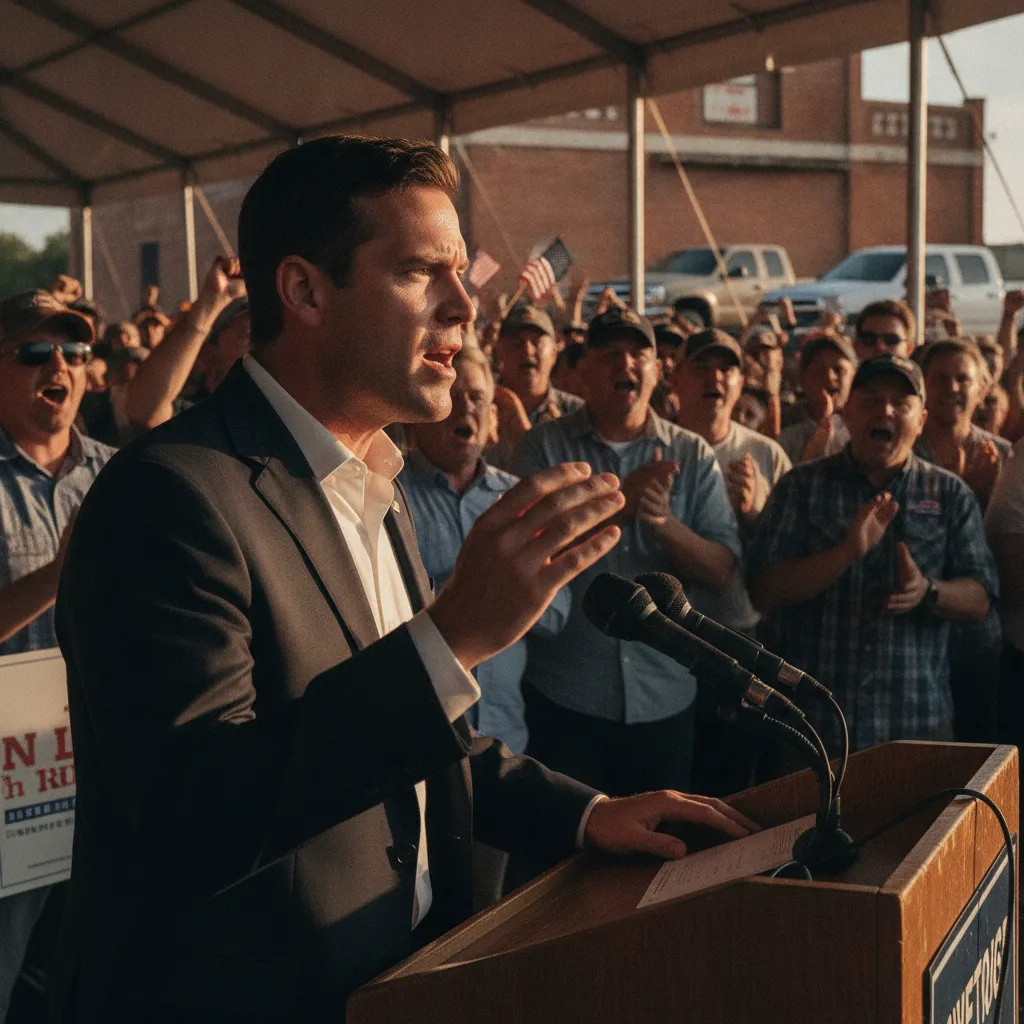
Vice President JD Vance spent much of this week hitting the campaign trail, but his efforts to bolster GOP midterm candidates feel like something more than simple party loyalty. From Texas to North Carolina, Vance has been refining a rhetorical style that blends polished political delivery with the raw, aggressive energy of the MAGA movement. Whether he is mocking a Democratic opponent’s masculinity to loud cheers in Weatherford or slipping in coarse language about the heat at a podium, Vance appears to be testing exactly how much grit he needs to maintain the base without losing his image as a disciplined statesman.
The core of Vance’s current pitch relies on a curated nostalgia for a lost American era. By invoking memories of post-9/11 unity and recounting stories of childhood football jerseys sponsored by long-gone local businesses, he frames himself as the champion of a forgotten middle class crushed by distant elites. This narrative allows him to package anti-woke cultural grievances within a broader story of economic betrayal, suggesting that his version of populism can restore a Norman Rockwell vision of community and racial harmony that predates modern identity politics.
However, navigating the baggage of the current administration remains a delicate balancing act for the Vice President. While he avoids direct mentions of controversial conflicts like the Iran War, he deftly pivots conversations about rising fuel costs toward global geopolitical instability rather than domestic policy failures. Similarly, when addressing high beef prices, he blames corporate consolidation rather than trade tensions sparked by the White House. It is a calculated strategy designed to shield himself from unpopularity while remaining firmly aligned with President Trump’s orbit.
Ultimately, Vance is leveraging his unique biography—his military service and humble beginnings in rural Ohio—to offer something Trump cannot: genuine relatability regarding poverty and struggle. Through his role leading an anti-fraud task force and frequent references to his time as a grocery store cashier, he is building a resume rooted in authenticity. The lingering question for 2028 is whether GOP voters will embrace this more articulated version of Trumpism or if they will find Vance too measured compared to the unfiltered bombast that defined the previous decade of Republican politics.
Related Stories
High Stakes and Sudden Shifts Define the Pre-Election Sprint
The frantic energy of the campaign trail reached a fever pitch this past weekend as candidates made their…

Political Volatility Freezing Energy Investment and Fuel Relief
Daniel Turner, the founder and executive director of Power of the Future, is sounding the alarm on how…
High Court Blocks Federal Effort to Sideline California Ballots
The Supreme Court swiftly dismissed an emergency request from the Trump administration on Monday, refusing to force California…
Trump Pivots to Public Works in Final Midterm Push
In a surprising turn for a campaign closing speech, President Donald Trump spent more than twenty minutes of…