
Border Gridlock as Pakistan and Iran Halt Trade Amid Regional Turmoil
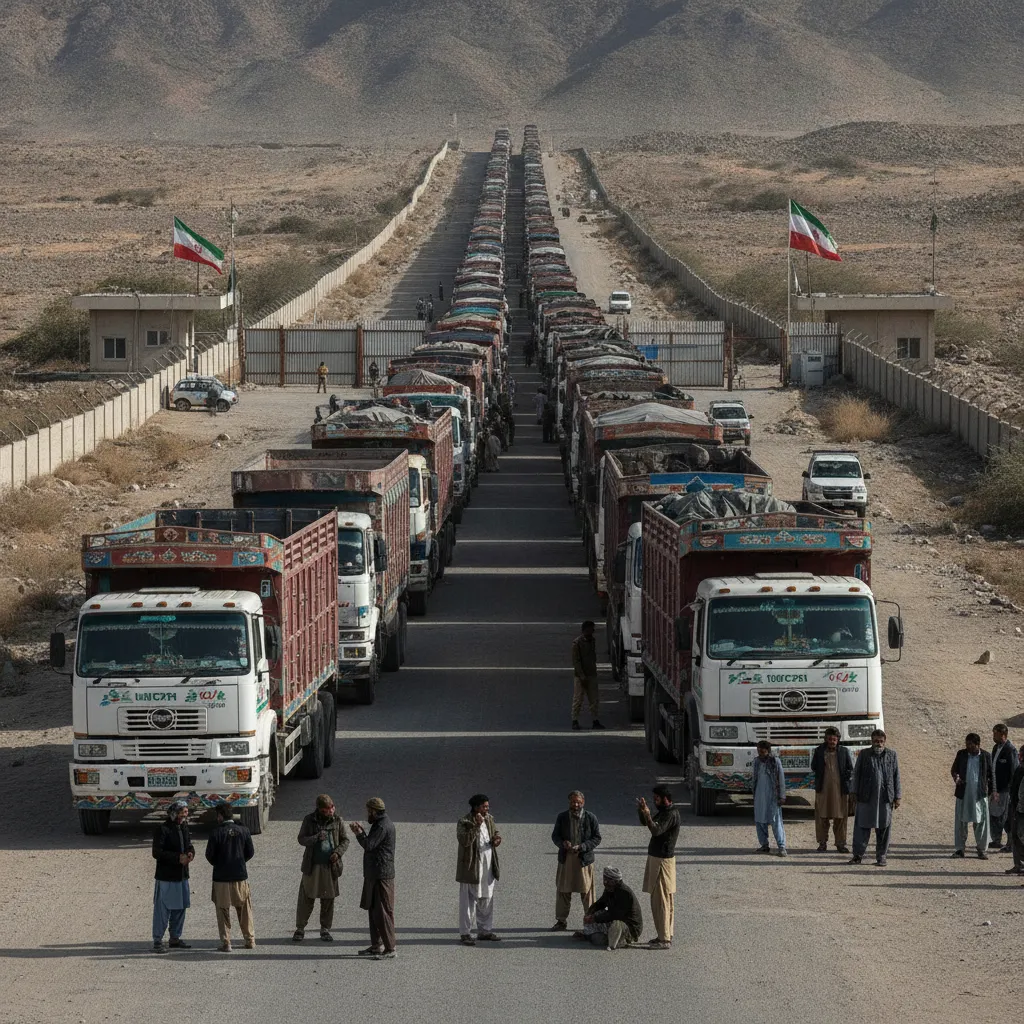
Trade has come to a standstill at the Taftan and Gabd Rimdan crossings in Balochistan as Pakistan suspends commercial activity with Iran. The sudden shutdown has left roughly 2,000 trucks stranded on both sides of the border, creating a logistical nightmare for traders. While passenger travel continues through some channels, the halt in freight reflects a deepening tension fueled by internal instability and complex international pressures.
Officials from both nations have offered differing reasons for the freeze. Pakistani authorities describe the move as a temporary security measure designed to curb smuggling and bolster counterterrorism efforts during a period of heightened volatility in Balochistan. Meanwhile, Tehran has attributed the disruption to technical issues and necessary precautionary measures, avoiding any direct mention of security threats or militant activity.
Beyond simple logistics, analysts suggest that global geopolitics are playing a significant role. With Washington intensifying its sanctions regime against Iran through initiatives like Operation Economic Outcast, Islamabad finds itself walking a tightrope between maintaining regional ties and complying with international mandates. This diplomatic friction comes at a time when previous attempts to broker peace and reopen critical maritime routes have largely crumbled.
Domestically, Pakistan is grappling with an escalation of violence in its poorest province. A surge in attacks by Baloch nationalist rebels has put immense pressure on security forces, leading many in government to blame porous borders for the influx of weaponry and militants. However, some experts argue that closing the gates may be less about stopping insurgents and more about navigating the precarious intersection of national security and foreign diplomacy.
Related Stories

A State Divided Between Loyalty and Longing for Change
Across the rugged landscapes of Maine, from the autumn colors of Brownville Junction to the bustling streets of…

Beyond the Beltway Battlegrounds
As the countdown to the midterms hits its final stretch, most of the public conversation has centered on…
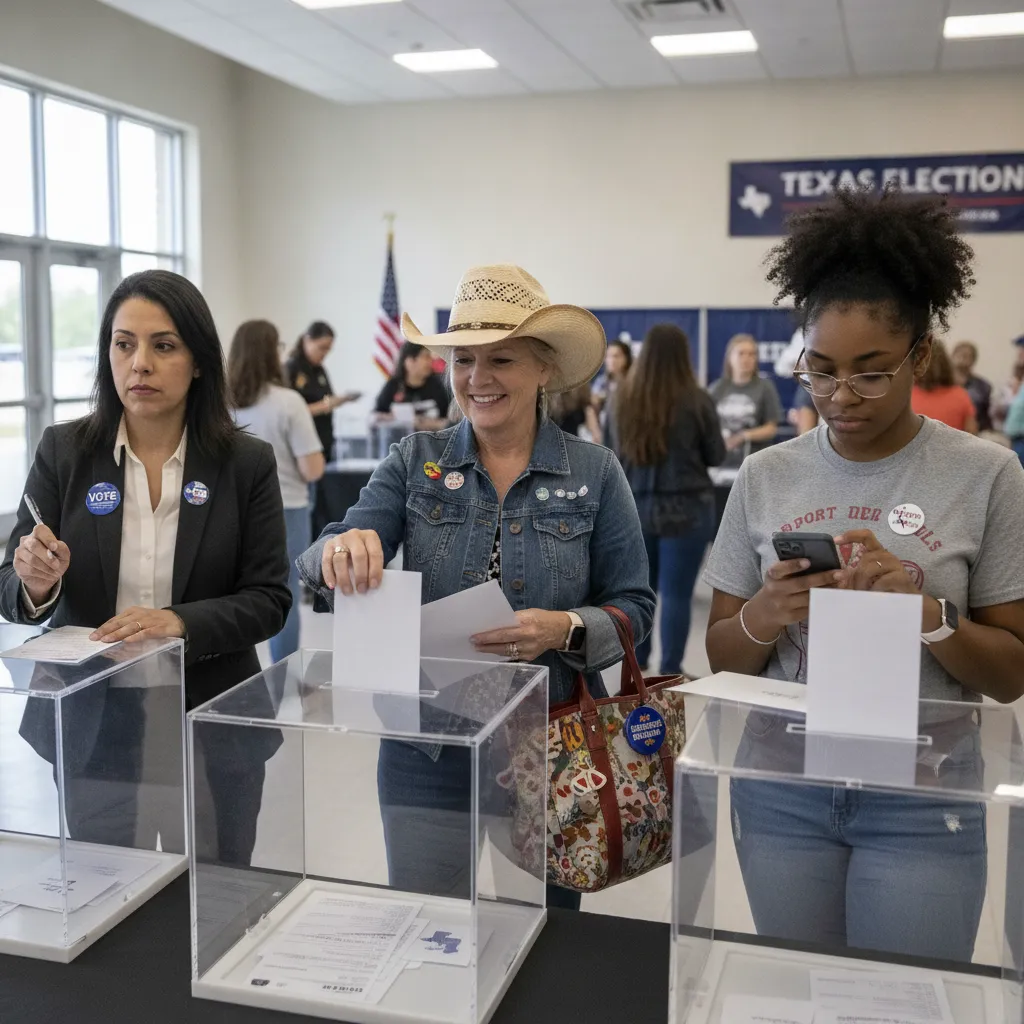
The Quiet Power Shift Driving Texas Ballot Boxes
As the November elections approach, political strategists are increasingly focusing on a demographic that refuses to be put…

A Different Approach to Power in New York’s North Country
In a political landscape often defined by rigid party loyalty and career ambition, the Democratic challenger seeking to…