
A Nation Divided Heads to the Polls in High Stakes Battle for Israel’s Future
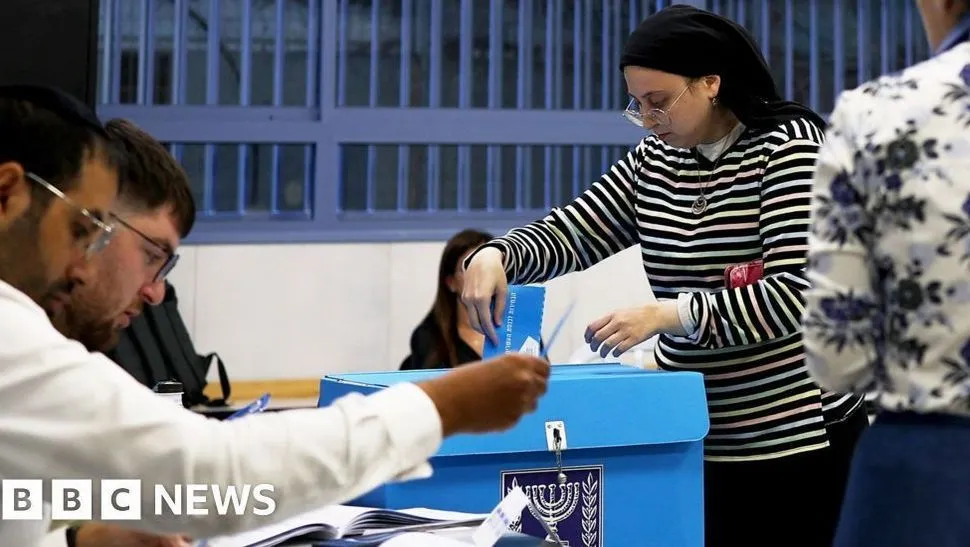
Voters are turning out in record numbers across Jerusalem and Tel Aviv as Israel holds an election that many observers believe will define the country’s trajectory for years to come. The atmosphere is tense, with recent polling showing incumbent Benjamin Netanyahu locked in a dead heat with former military chief Gadi Eisenkot. Despite the surge in participation, analysts warn that the result may not provide immediate clarity, as neither candidate appears likely to secure the sixty one seats required to form a government independently, potentially leaving the nation in a period of prolonged political instability.
The contest has evolved into a raw referendum on Netanyahu’s leadership, centered heavily on national security and the survival of democratic norms. Opponents have spent the campaign highlighting the catastrophic intelligence failures surrounding the October 7 attacks and criticizing Netanyahu’s resistance to an independent inquiry. While Netanyahu continues to brand himself as the indispensable guarantor of security and leverages his ties to Donald Trump, critics point to his ongoing corruption trials and controversial judicial reforms as evidence of a leader more concerned with personal survival than public service.
Standing against him is Eisenkot, who leads the Yashar Party and anchors a diverse change bloc designed specifically to remove Netanyahu from power. This coalition brings together unlikely allies, ranging from hardline right wingers like Avigdor Lieberman to left leaning generals. While Eisenkot shares some of Netanyahu’s views on maintaining control over Gaza and supporting West Bank settlements, he has signaled a willingness to curb settler violence and explore limited autonomy for Palestinians, though a traditional two state solution remains largely absent from the mainstream discourse.
Adding further complexity is the role of Arab party blocs, who represent roughly one fifth of the population and could theoretically act as kingmakers in a hung parliament. However, most major Jewish parties have explicitly ruled out partnering with them, narrowing the path toward any stable coalition. As ballots continue to pour in amid sporadic allegations of irregularity, Israel awaits a verdict that will determine whether it maintains its furthest right shift in history or pivots toward a new era of governance under Eisenkot’s lead.
Related Stories

High Stakes and Hard Times as Midterm Fever Hits the Final Stretch
With just one week remaining until the midterms, the political atmosphere surrounding President Donald Trump is growing increasingly…

Texas Senate Race Ignites as Trump Rallies for Paxton Amid High Profile GOP Defection
Donald Trump and Senator Marco Rubio have touched down in Texas to throw their full weight behind Ken…
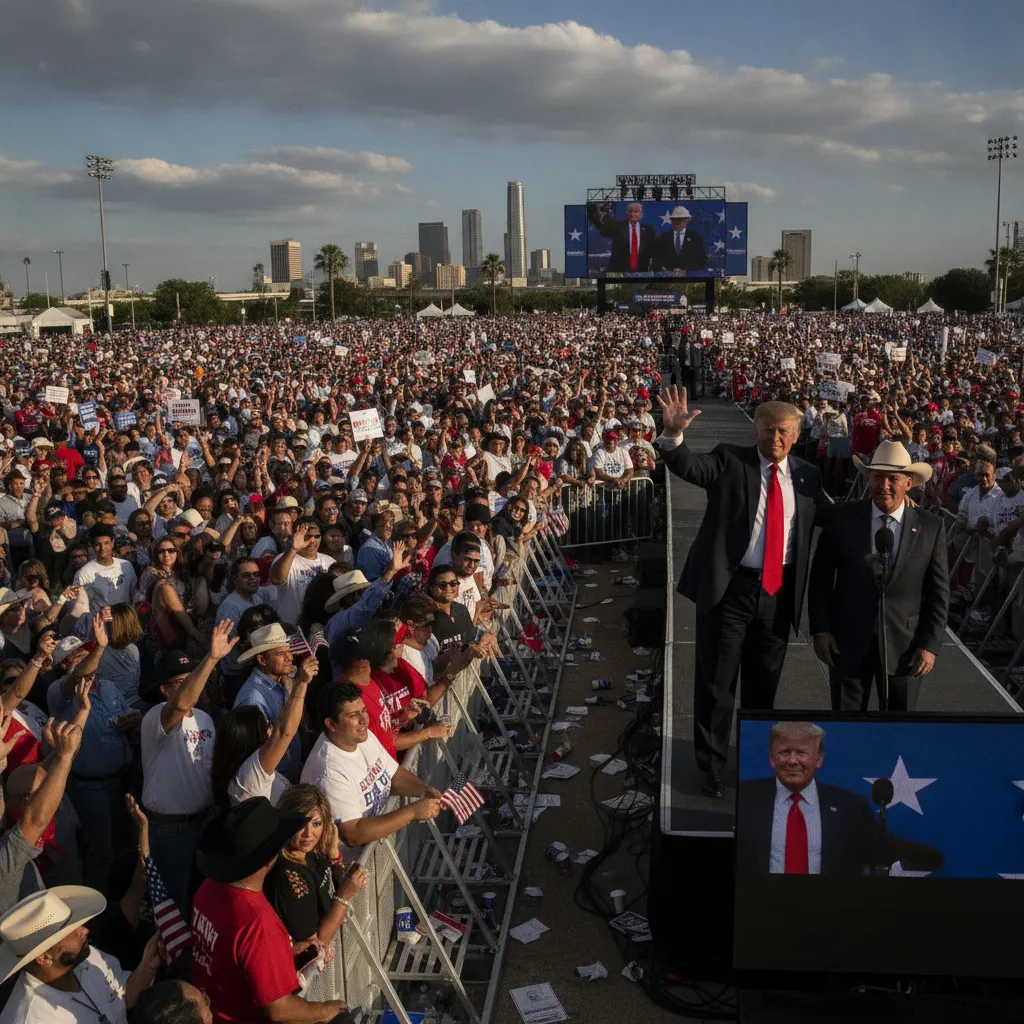
High Turnout Sets Stage for Tight Texas Senate Clash
Texas is seeing a significant surge in early voting as the state becomes a primary focal point in…
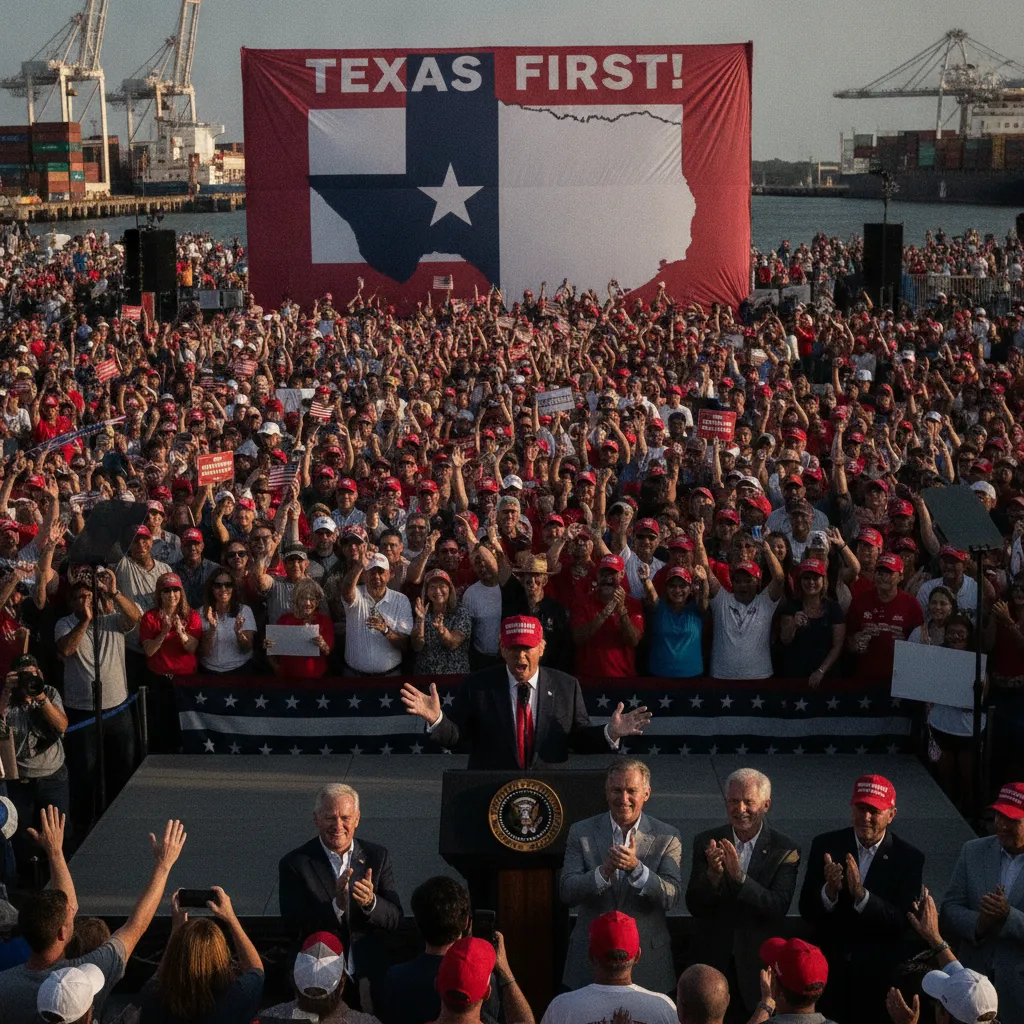
Battle For The Lone Star State Intensifies As GOP Leans On Trump Turnout
With just one week remaining until the 2026 midterms, the political atmosphere in Texas has reached a fever…