
Legal Battle Erupts Over Sacred Protest Rights in America’s Hometown
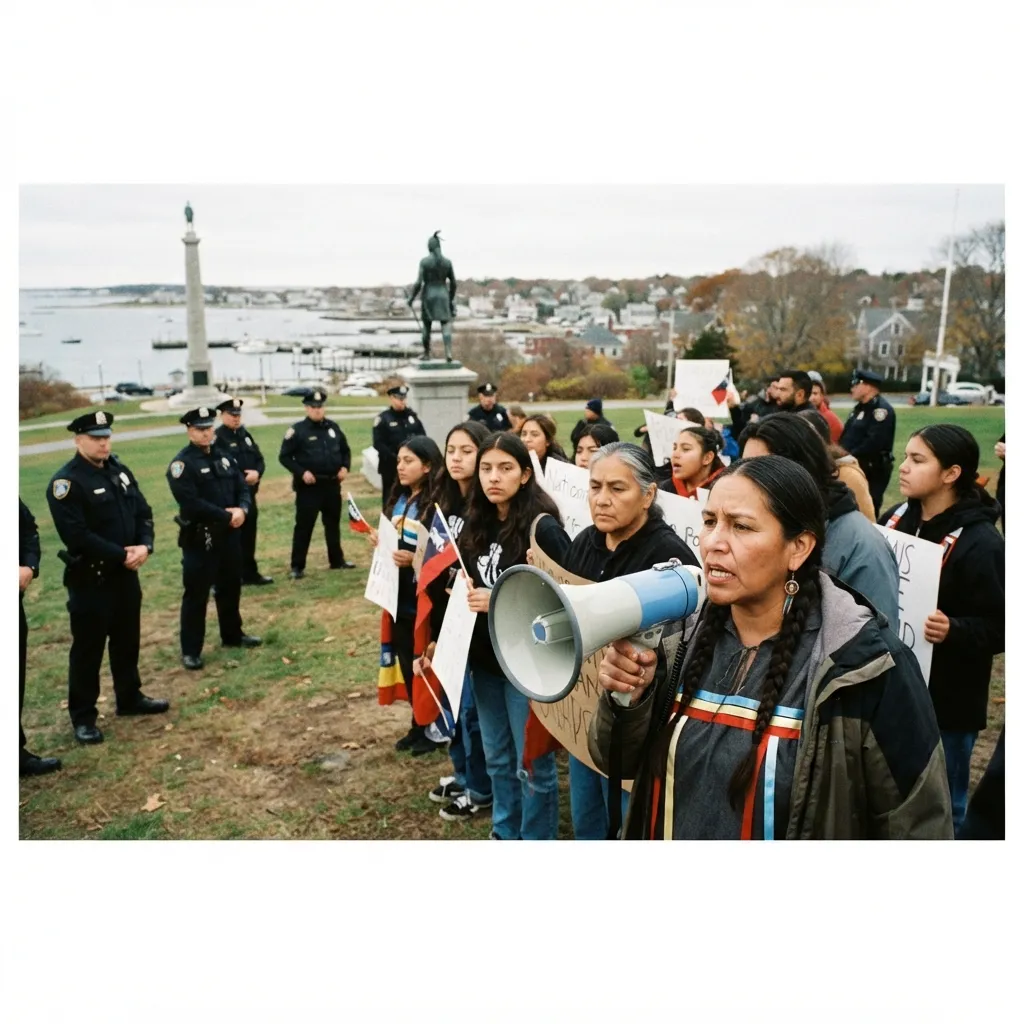
A decades old peace treaty between the town of Plymouth and Native American activists has landed back in court, reigniting tensions over how the legacy of the first Thanksgiving is commemorated. The United American Indians of New England recently secured a partial victory against the municipality after accusing officials of trying to silence the National Day of Mourning. At the heart of the dispute is a 1998 settlement born from a violent clash between police and protesters nearly thirty years ago, which originally guaranteed that Indigenous groups would not need permits or permission to protest on their ancestral lands.
The conflict flared up again when Plymouth’s select board attempted to backtrack on those promises, demanding that organizers purchase private insurance to indemnify the town. Activists viewed this sudden requirement as more than just red tape, describing it as political oppression designed to push their presence out of sight of tourists. Jean Luc Pierite, president of the North American Indian Centre of Boston, characterized the move as a blatant breach of contract and an attempt to erase the uncomfortable truths regarding land theft and genocide associated with the Pilgrim narrative.
During recent hearings in Plymouth Superior Court, town lawyers argued that they were simply applying standard rules for public events and noted that the mobile stage promised in the original agreement had fallen into disrepair. While the town maintains it supports free speech and has gone above and beyond to accommodate participants through parking and logistics, advocates claim these offers are distractions from a systemic effort to stifle dissent during a holiday they view as a solemn day of mourning rather than a celebration.
Judge Brian Glenny eventually ruled that the 1998 agreement remains legally binding, banning the town from requiring insurance or permits for this year’s gathering. However, he also freed Plymouth from its obligation to provide a stage, leaving organizers with what they describe as a mixed result. Despite the lingering legal ambiguity and what some leaders call the inherent bias of colonial courts, Mahtowin Munro and other UAINE leaders vowed that their voices will still be heard atop Cole’s Hill this November.
Related Stories
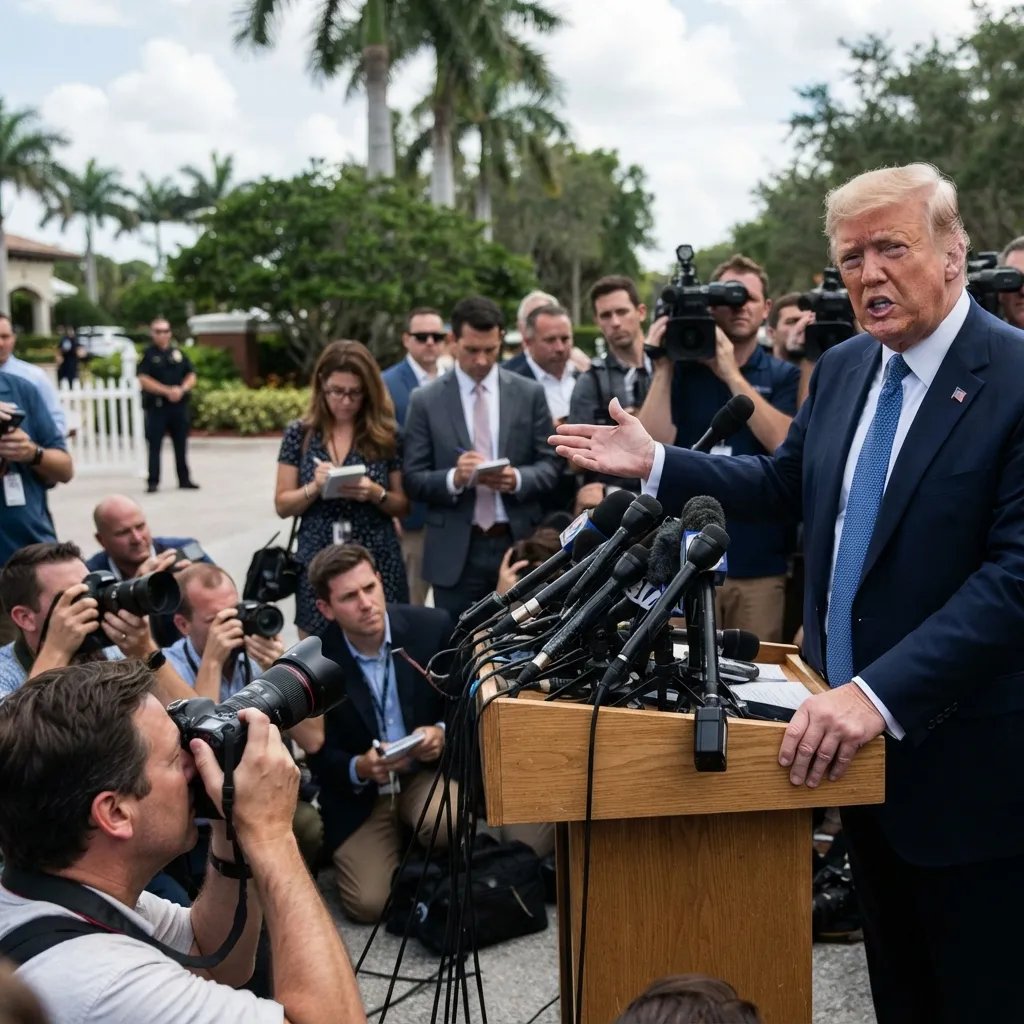
Trump Targets Federal Economists Over Revised Growth Data
Donald Trump sparked a fresh controversy from West Palm Beach on Thursday, accusing the Commerce Department of intentionally…

The Hidden Common Ground in a Polarized Nation
For many American families, holiday gatherings have become tactical exercises in avoidance. With political tensions at an all…
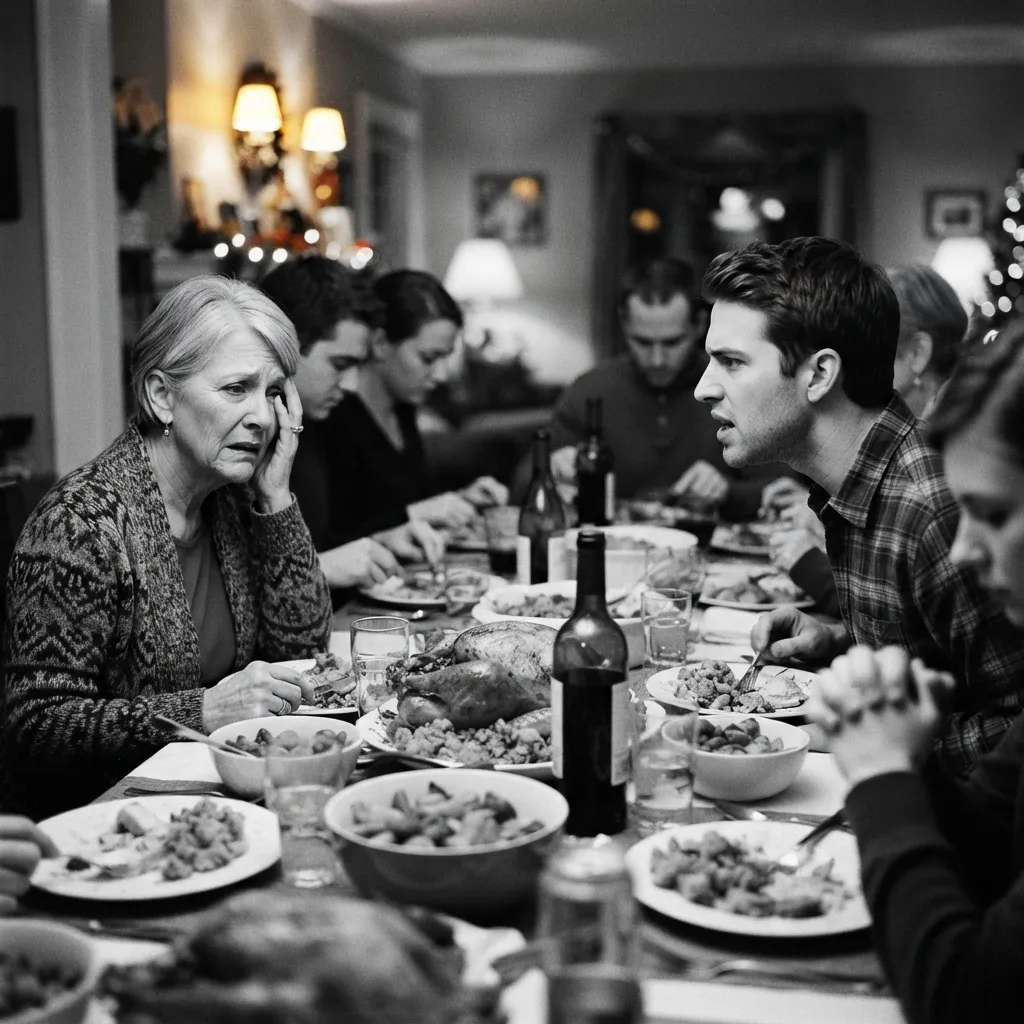
Bridging the Divide Over Turkey and Stuffing
The holiday season is traditionally defined by warmth, shared meals, and long overdue reunions, but for many American…
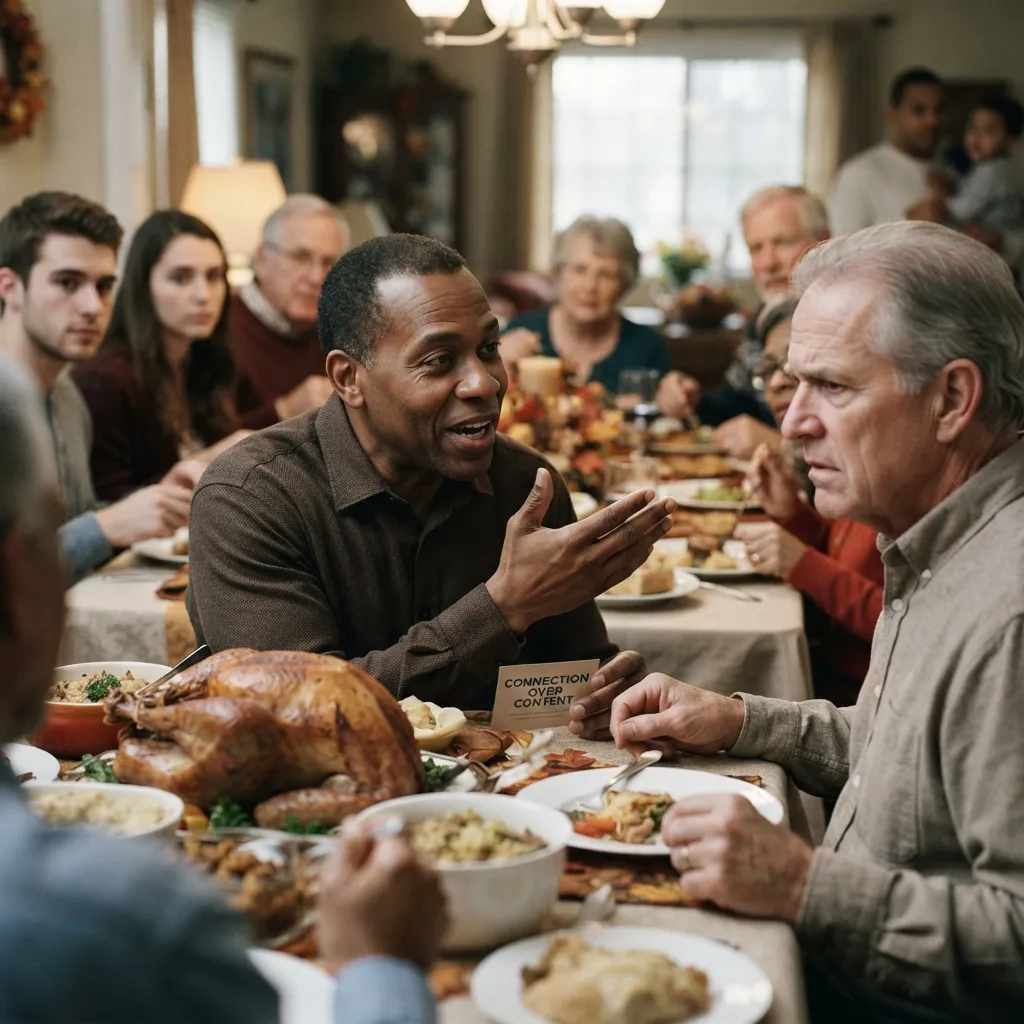
The Secret Phrase for a Peaceful Family Feast
As families gather around the Thanksgiving table following a volatile election cycle, the threat of political warfare often…