
Tech Titans Triumph as California Wealth Tax Fails at the Ballot Box

California voters have dealt a significant blow to progressive economic goals by rejecting Proposition 40, a first of its kind proposal that would have taxed the net worth of the state’s billionaires. The measure aimed to levy a one time five percent tax on individuals with assets exceeding one billion dollars, primarily to offset looming federal healthcare funding cuts and bolster education and food assistance programs. While advocates argued the move was essential to protect social services, opponents warned that such a drastic step would trigger a mass exodus of the ultra wealthy, destabilizing a state budget that relies heavily on top earners.
The battle over the ballot measure became a high stakes financial war, with the no campaign outspending supporters by roughly ten to one. Prominent tech figures led the charge against the tax, most notably Google co founder Sergey Brin, who contributed over one hundred million dollars to defeat the initiative. This massive influx of capital helped sway voters despite vocal support from national figures like Senator Bernie Sanders, who traveled across California in the final weeks of the campaign to rally people around the idea of targeting investment wealth rather than standard paychecks.
Demographic splits revealed a clear generational divide in how Californians view extreme wealth. Data suggests that young voters under thirty largely favored the tax, while those sixty five and older overwhelmingly rejected it. Middle class voters remained split, though those earning over one hundred thousand dollars annually leaned toward opposition. Even Governor Gavin Newsom joined the ranks of those against the local measure, arguing that a state level wealth tax would unfairly disadvantage California compared to other regions, even as he expressed general agreement with the need for national efforts to combat inequality.
Despite the loss, proponents of Proposition 40 insist this is merely the beginning of a longer struggle. In statements released after the results were finalized, organizers claimed that while billionaires may have purchased a temporary victory, they did not win the intellectual debate over fairness and healthcare access. Supporters are already signaling their intent to bring similar measures back to the ballot in 2028, framing this defeat as round one in an ongoing fight to redistribute resources from the wealthiest citizens to public infrastructure.
Related Stories

GOP Soul Searching Takes Center Stage Amidst Senate Legislative Push
Senate Republicans gathered Tuesday for a series of high stakes meetings intended to determine the future of their…
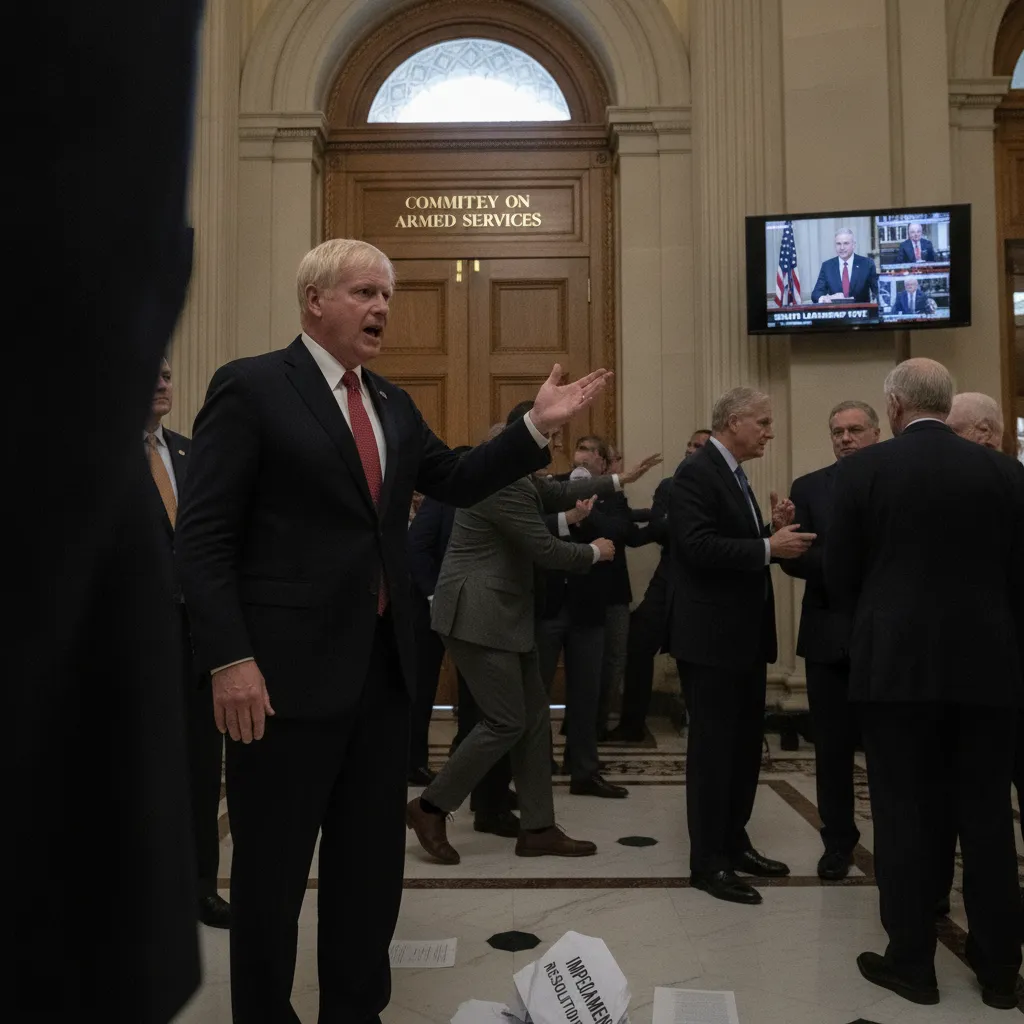
Internal Fractures Grip GOP as Leadership Votes Clash With Impeachment Drama
Capitol Hill is currently a theater of high tension as House Republicans scramble to protect Defense Secretary Pete…
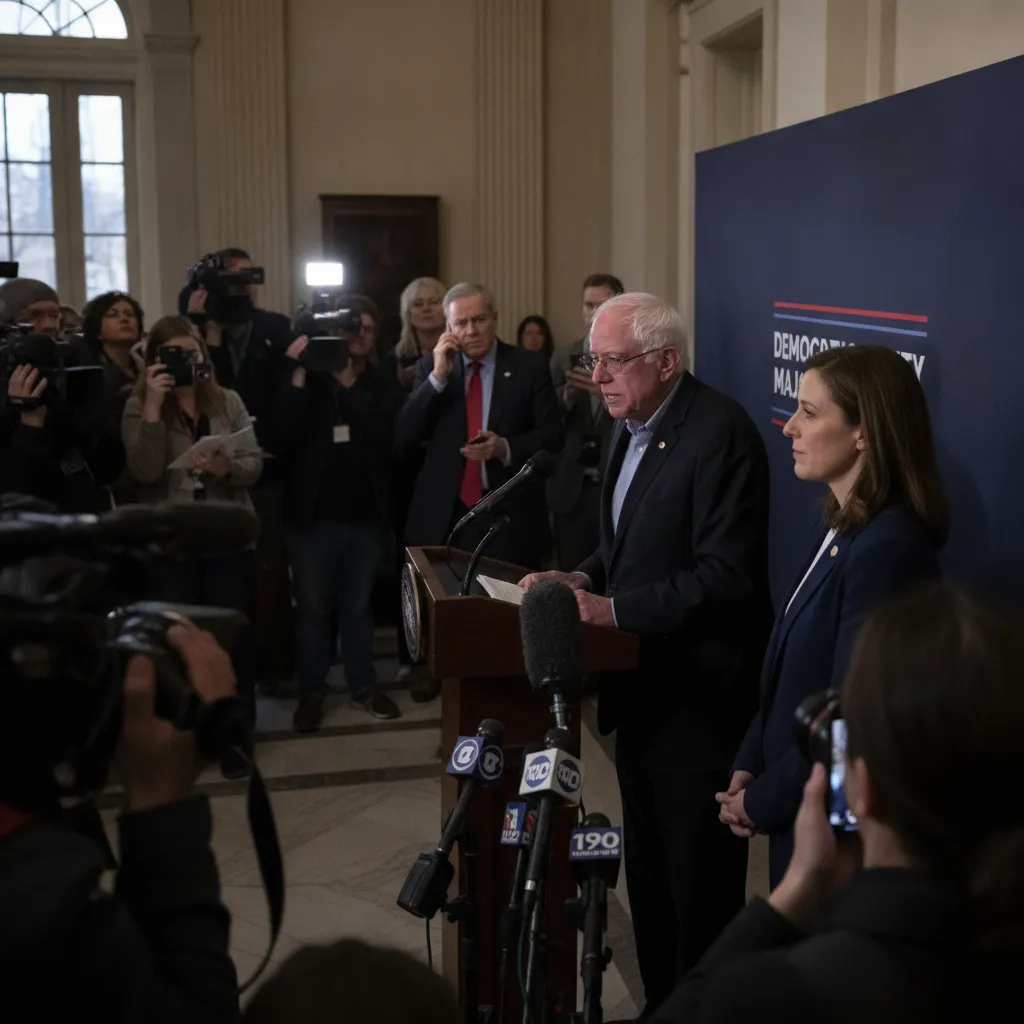
Progressive Rift Deepens as Sanders Breaks With Schumer Over Senate Leadership
The victory celebration following the Democratic sweep of the midterm elections has quickly turned into an internal power…

Blue Waves Hit Red Shores in Series of Stunning House Upsets
The recent election cycle delivered a series of shocks to the Republican establishment, most notably evidenced by the…