
Economic Pain and Global Conflict Set Stage for Possible GOP Midterm Rout
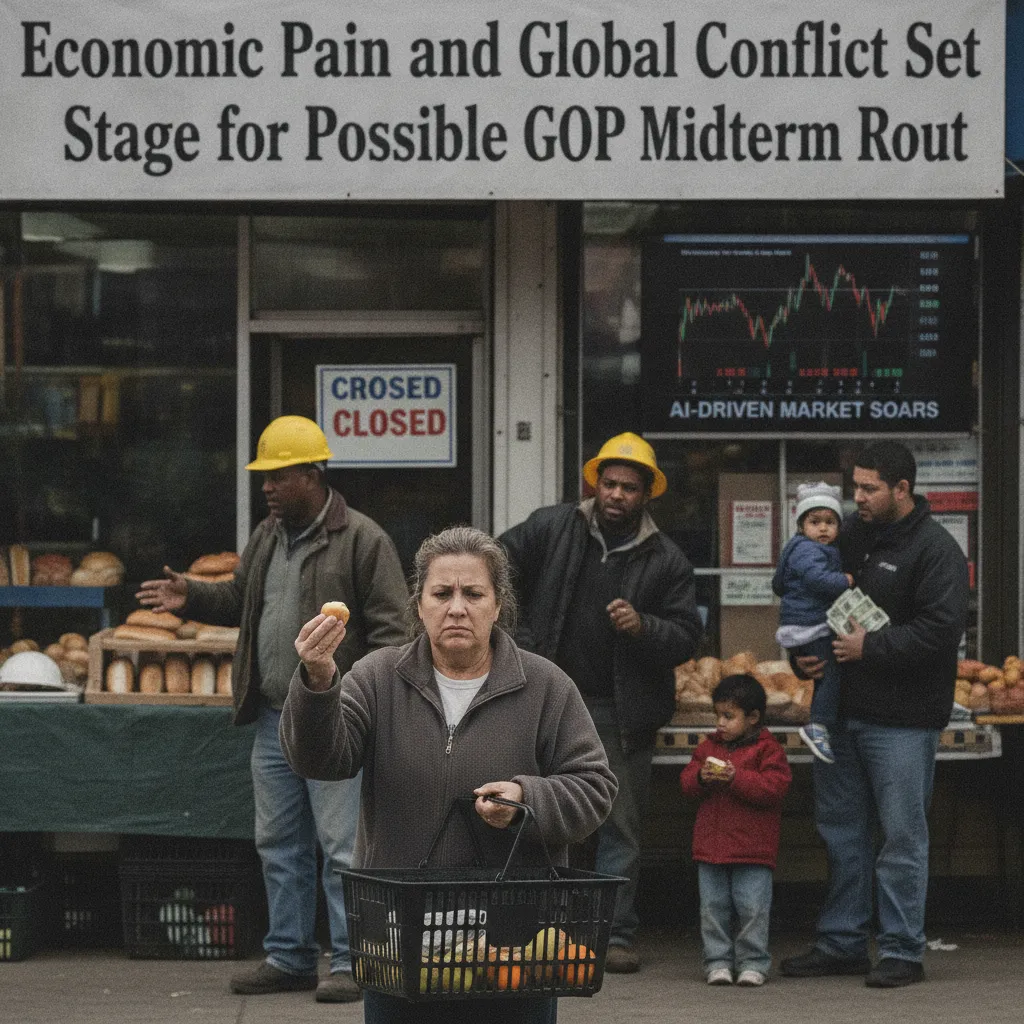
President Donald Trump entered his second term with a clear promise to lower costs for American families, but as the midterm elections approach, that mandate appears to be slipping away. Voters are feeling the pinch of rising prices fueled by aggressive tariffs and a costly conflict with Iran, leaving many to feel they are merely treading water. While the wealthy continue to profit from an AI-driven stock market boom, regular citizens are struggling with stagnant wages and climbing interest rates that have made owning a home or a car feel like an impossible dream. Recent polling underscores this frustration, showing that only a small fraction of Americans believe their financial situation has improved.
This economic discontent is compounded by deep dissatisfaction with the administration’s hard-line immigration policies and sweeping cuts to essential healthcare programs like Medicaid. These issues are alienating critical swing voters and energizing a Democratic base that has already shown strength in recent special elections. Historically, the president’s party rarely fares well in midterms, and the trend is significantly worse when approval ratings dip below fifty percent. With Trump currently facing record-low popularity and high levels of opposition intensity, history suggests Republicans could face a substantial loss of seats in the House.
Despite these headwinds, Democrats face their own internal struggles as they attempt to unify a fractured coalition of voters. There remains tension within the party regarding ideology and direction, yet common opposition to Trump seems to be acting as a powerful glue. Many voters view their ballot not necessarily as an endorsement of Democratic policy, but as a necessary check on executive power. This dynamic is further complicated by strategic redistricting efforts designed to protect Republican incumbents, meaning that while Democrats are favored to take back the House and potentially flip the Senate, structural hurdles may limit the scale of their victory.
As the country looks toward November, the stakes extend far beyond immediate legislative control. These midterms serve as the unofficial starting gun for the 2028 presidential race, marking the first open contest in decades without any established political dynasties on the ticket. While Republican turnout in red states could still provide a lifeline for the GOP, current trends suggest a shift in momentum. Unless there is a massivepolling error or an unprecedented surge in conservative turnout, it would be an extraordinary surprise if Democrats fail to reclaim leadership in Congress.
Related Stories
High Stakes and Heavy Spending Define Final Push Before Midterm Vote
Republicans entered the final stretch of the midterm campaign in a state of visible urgency, launching a desperate…
A Lone Star Gamble: Can James Talarico End Decades of Democratic Drought?
For more than thirty years, Texas Democrats have existed in a state of perpetual longing, watching statewide victories…

Cinematic Paranoia and the Modern Age of Misinformation
The golden age of the political conspiracy thriller arrived during the shaky foundations of the 1970s, a decade…

Political Earthquake in Michigan as Representative Crosses Party Lines Days Before Vote
The Michigan political landscape was thrown into chaos this weekend after Representative Haley Stevens shocked her colleagues by…