
Political Earthquake in Michigan as Representative Crosses Party Lines Days Before Vote

The Michigan political landscape was thrown into chaos this weekend after Representative Haley Stevens shocked her colleagues by crossing party lines to endorse Republican Senate nominee Mike Rogers. The move comes at a critical moment, just days before the election, and follows a period of escalating tension between Stevens and the Democratic nominee, Abdul El-Sayed. What was intended to be a demonstration of party unity during a Sunday church service in Detroit instead became a backdrop for betrayal, as Stevens opted to skip the event entirely to align herself with the opposition.
Democratic leaders have reacted with swift and searing condemnation, describing the endorsement as an act of betrayal toward both the party and working-class voters. Michigan Democratic Party Chair Curtis Hertel dismissed Stevens’ claims that she felt unwelcome in El-Sayed’s camp, arguing that personal grievances should not supersede the needs of constituents. New York City Mayor Zohran Mamdani echoed these sentiments on social media, stating that Stevens abandoned people whose basic necessities like healthcare and rent are currently at stake in the upcoming vote.
While her own party reels from the defection, Republicans have wasted no time celebrating the win. House Speaker Mike Johnson praised Stevens for standing for truth and noted that he had personally reached out to express his appreciation. Even President Donald Trump weighed in, stating he would love to have Stevens join the Republican Party and insisting she did the right thing. Amidst the praise from the right, Johnson also mentioned a heightened threat environment, noting that Stevens and her fiance have already faced significant threats following her public break from the Democrats.
Despite the surrounding noise and high-profile drama, Candidate Abdul El-Sayed appears determined to keep his eyes on the prize. Speaking to supporters shortly after the news broke, El-Sayed largely ignored the controversy involving his former primary rival, telling reporters that he does not spend his time thinking about Stevens. Instead, he used his platform to call for mutual investment among citizens regardless of faith or background, urging voters to ignore the internal friction and focus on the broader stakes of the election.
Related Stories
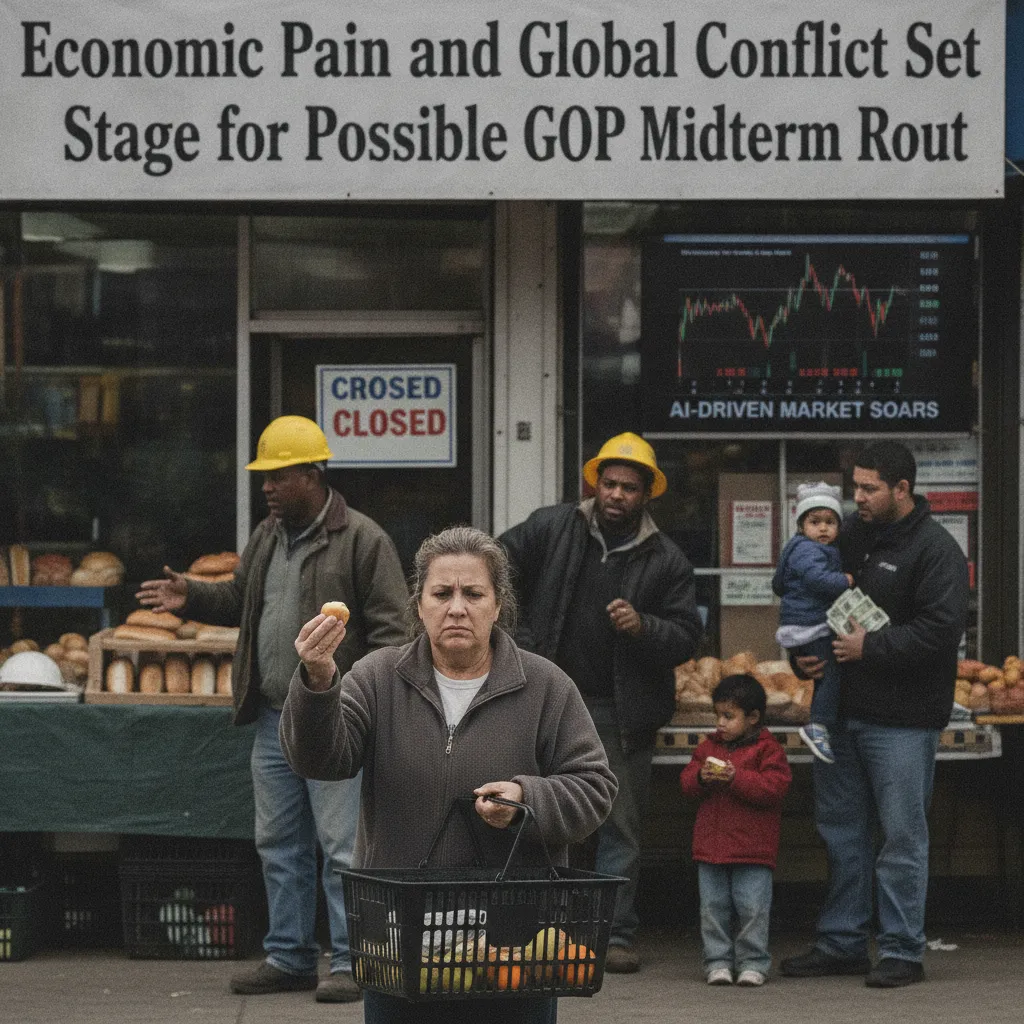
Economic Pain and Global Conflict Set Stage for Possible GOP Midterm Rout
President Donald Trump entered his second term with a clear promise to lower costs for American families, but…
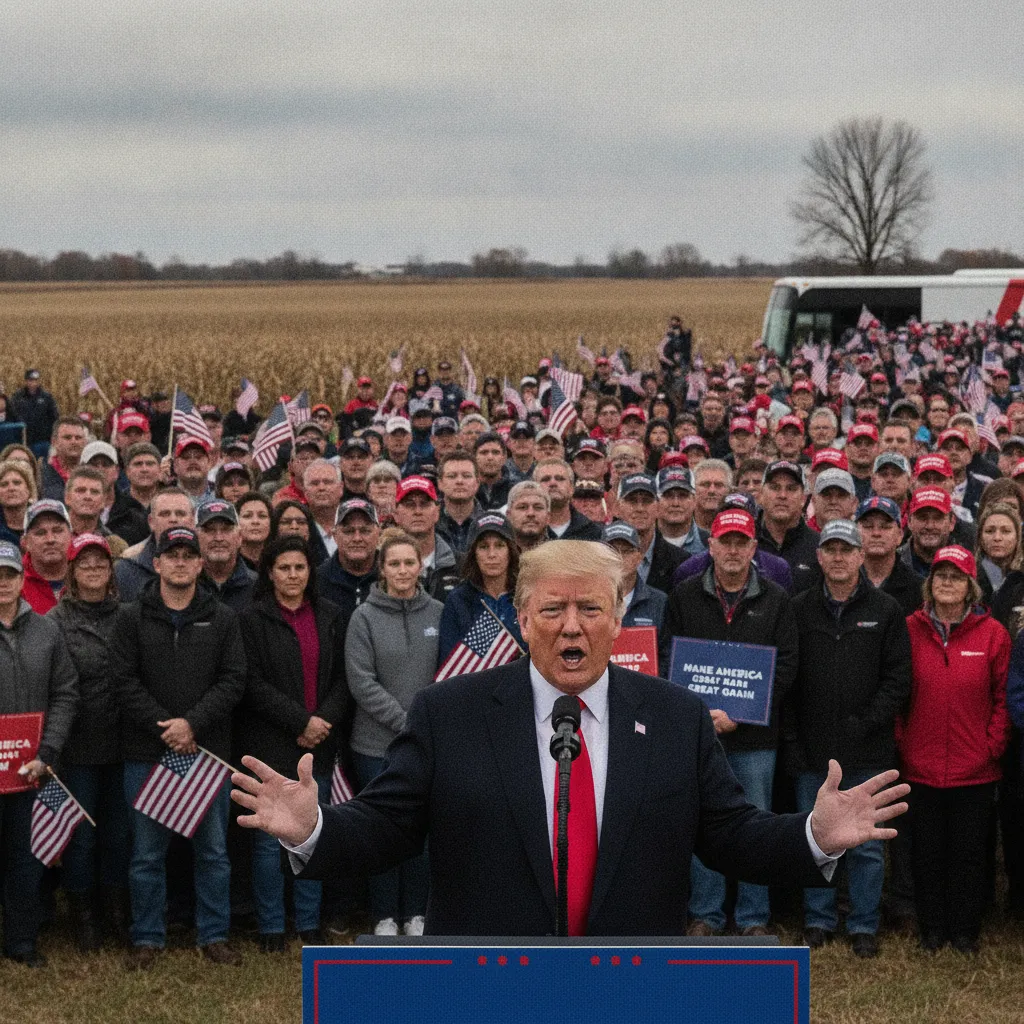
High Stakes and Heavy Spending Define Final Push Before Midterm Vote
Republicans entered the final stretch of the midterm campaign in a state of visible urgency, launching a desperate…
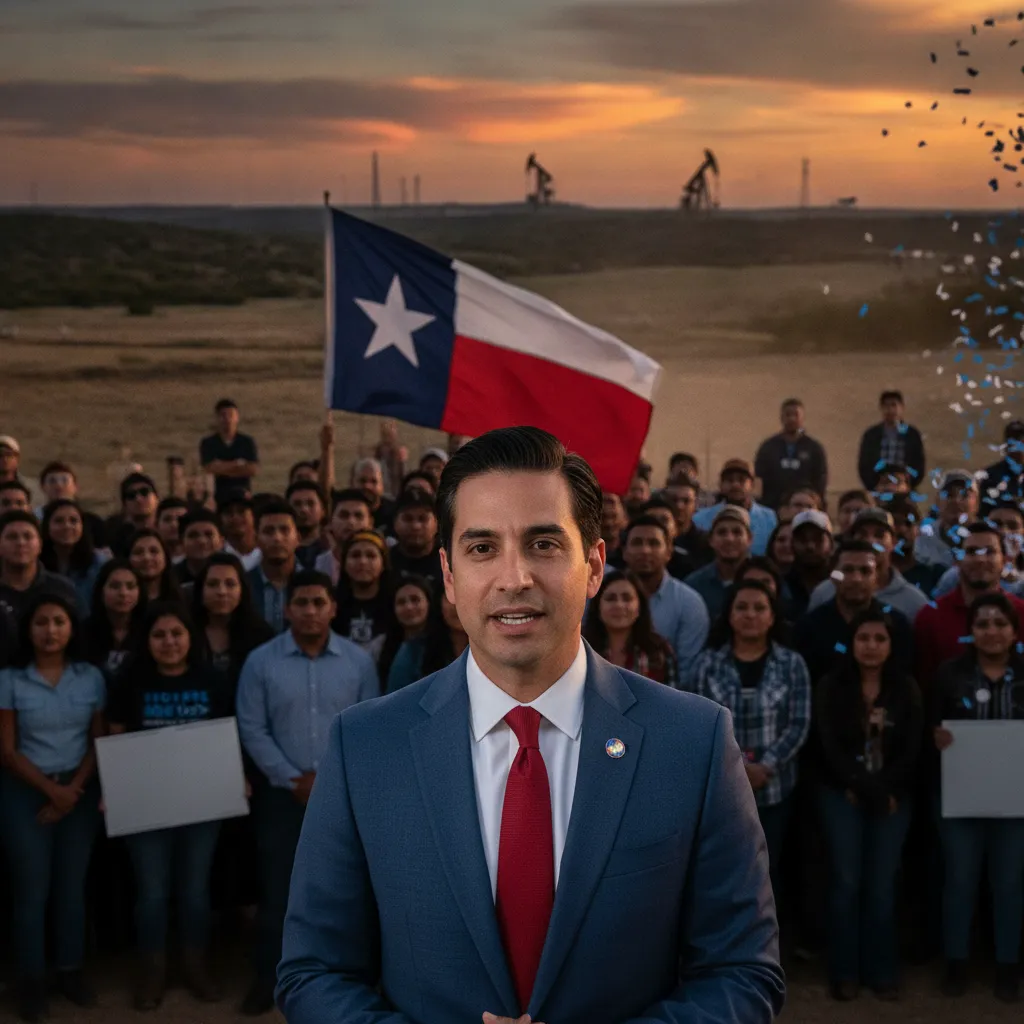
A Lone Star Gamble: Can James Talarico End Decades of Democratic Drought?
For more than thirty years, Texas Democrats have existed in a state of perpetual longing, watching statewide victories…

Cinematic Paranoia and the Modern Age of Misinformation
The golden age of the political conspiracy thriller arrived during the shaky foundations of the 1970s, a decade…