
Breaking the Cycle of Educational Instability in Michigan
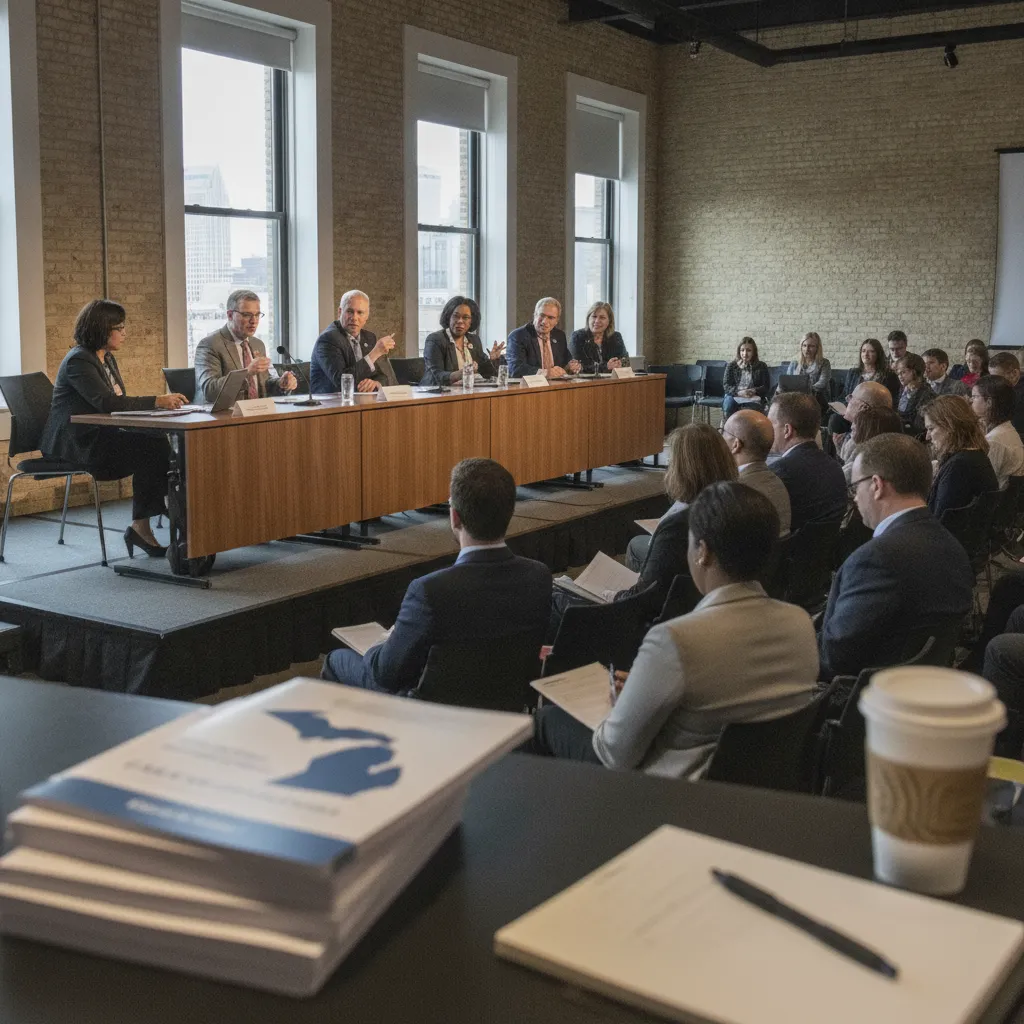
A gathering of education leaders and policymakers in Detroit recently highlighted a sobering reality for Michigan students, warning that the state’s academic future depends on a shift toward stability and evidence-based learning. Speaking at the Bridge Michigan Issues Summit, panelists emphasized that improving literacy is not just a primary school concern but a lifelong necessity that dictates whether students can successfully transition into the workforce or higher education. With current data showing only one in four high school juniors are college-ready, experts argued that the path forward requires a relentless focus on basic reading skills combined with expanded vocational training.
One of the most pressing obstacles identified by those on the panel was the tendency for educational policy to become a political football. Venessa Keesler, head of Launch Michigan, noted that the state frequently enters cycles of starting and stopping initiatives, allowing partisan competition to override collaborative progress. This instability was evident in previous attempts to raise reading scores through controversial retention policies and grading scales that were quickly repealed. Experts now urge voters and officials to prioritize consistency over optics, advocating for candidates who are willing to work across the aisle to maintain steady improvements rather than chasing short-term political wins.
Hope lies in new legislative mandates requiring teachers to undergo science-based reading training and implementing universal screenings for dyslexia. Educators attending the summit praised these shifts toward phonics and structured literacy, though they cautioned that such intensive training requires proper compensation for teachers to ensure success. Furthermore, administrators stressed that literacy cannot end in elementary school; some districts are already integrating dedicated daily reading time for all students up through high school graduation to bridge the gap between early schooling and adult employment.
Beyond policy changes, there is a growing call for community involvement to support overburdened classrooms. Panelists encouraged citizens to volunteer as reading mentors, noting that having adults engage with advanced learners frees up precious time for teachers to provide targeted intervention for struggling students. By fostering this connection between schools and the public, advocates hope to demystify modern classrooms and build a stronger social safety net for children regardless of their zip code or economic background.
Related Stories

Trump Heads to Sunshine State to Boost Gubernatorial Hopeful
President Donald Trump is traveling to Fort Myers today to throw his significant political weight behind Republican Representative…
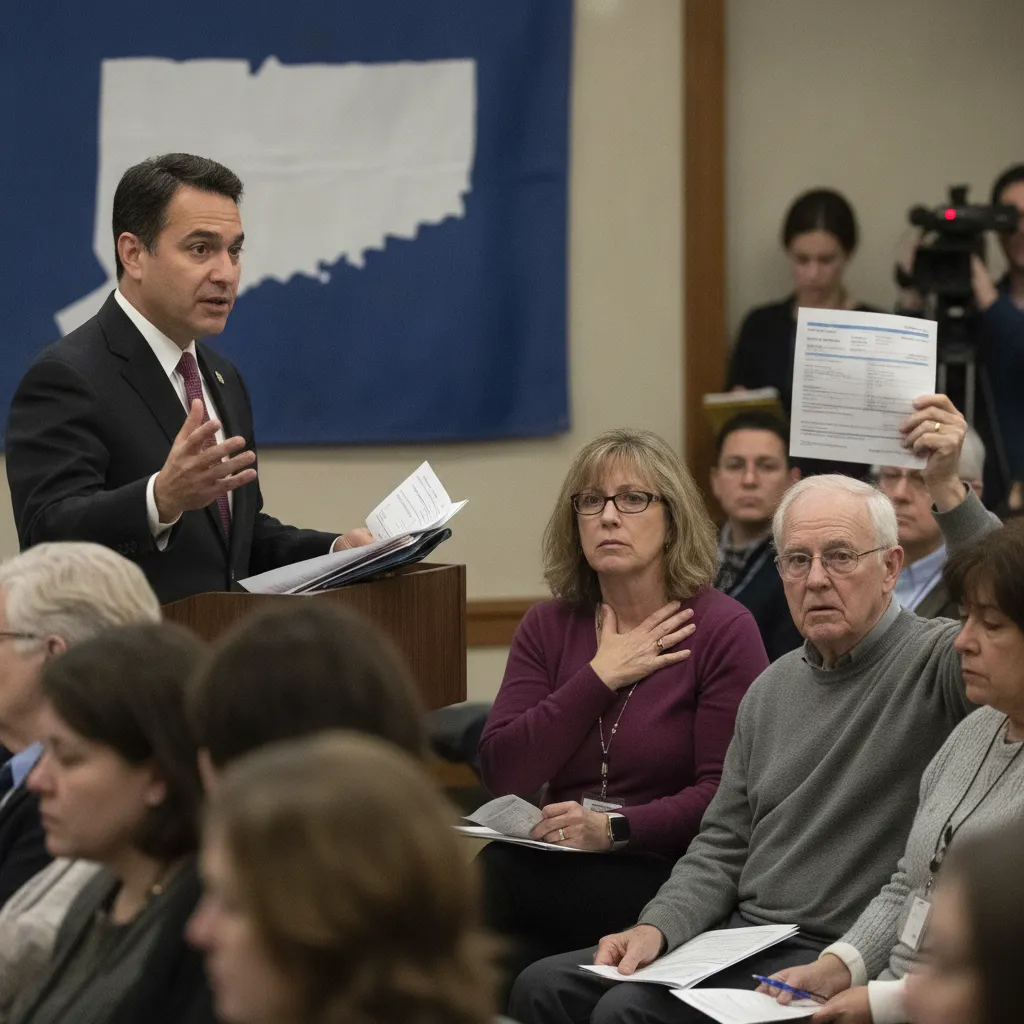
Legal Battles and Healthcare Anxiety Grip Connecticut Residents
Residents across Connecticut are facing a wave of financial and healthcare uncertainty as state leaders clash over everything…
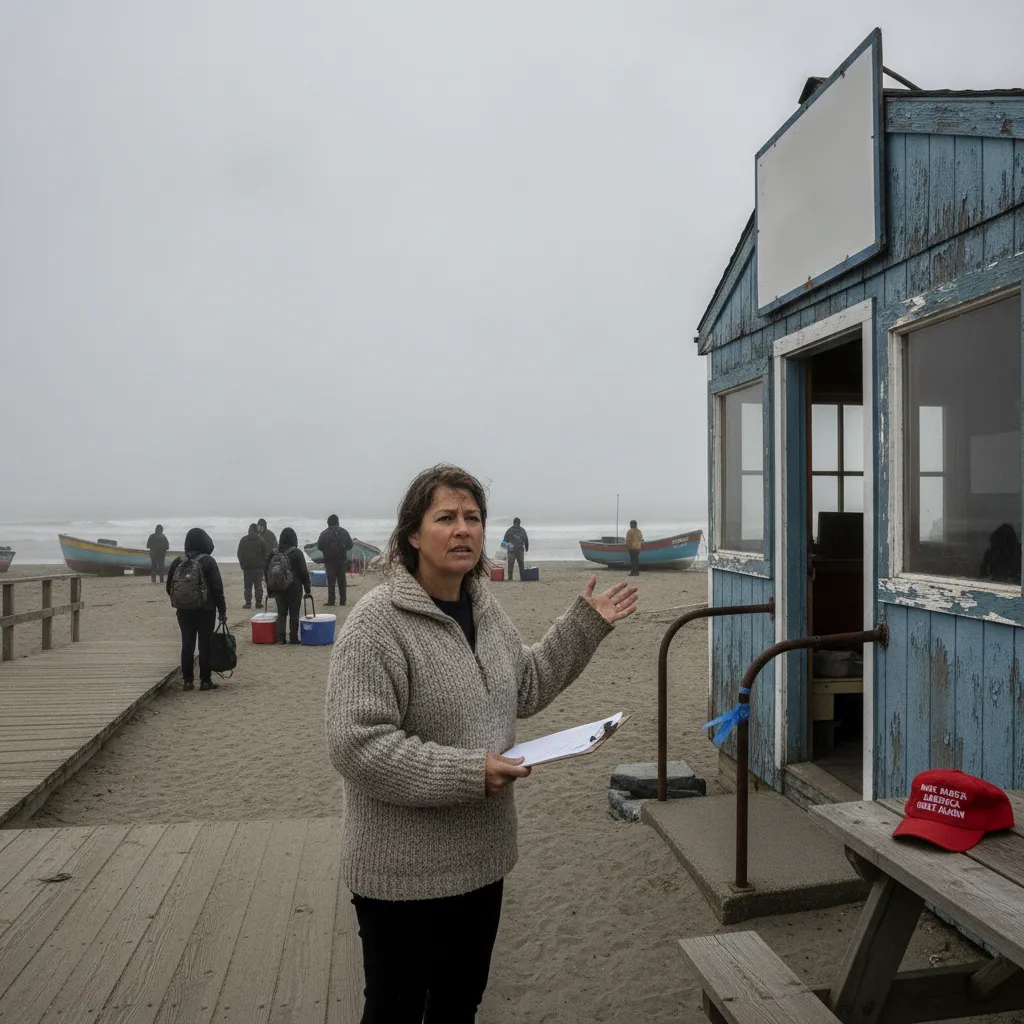
Blue Streak in Red Country: The High Stakes Fight for Southwest Washington
Along the foggy coast of Long Beach, Washington, the economic chill is felt more deeply than the ocean…
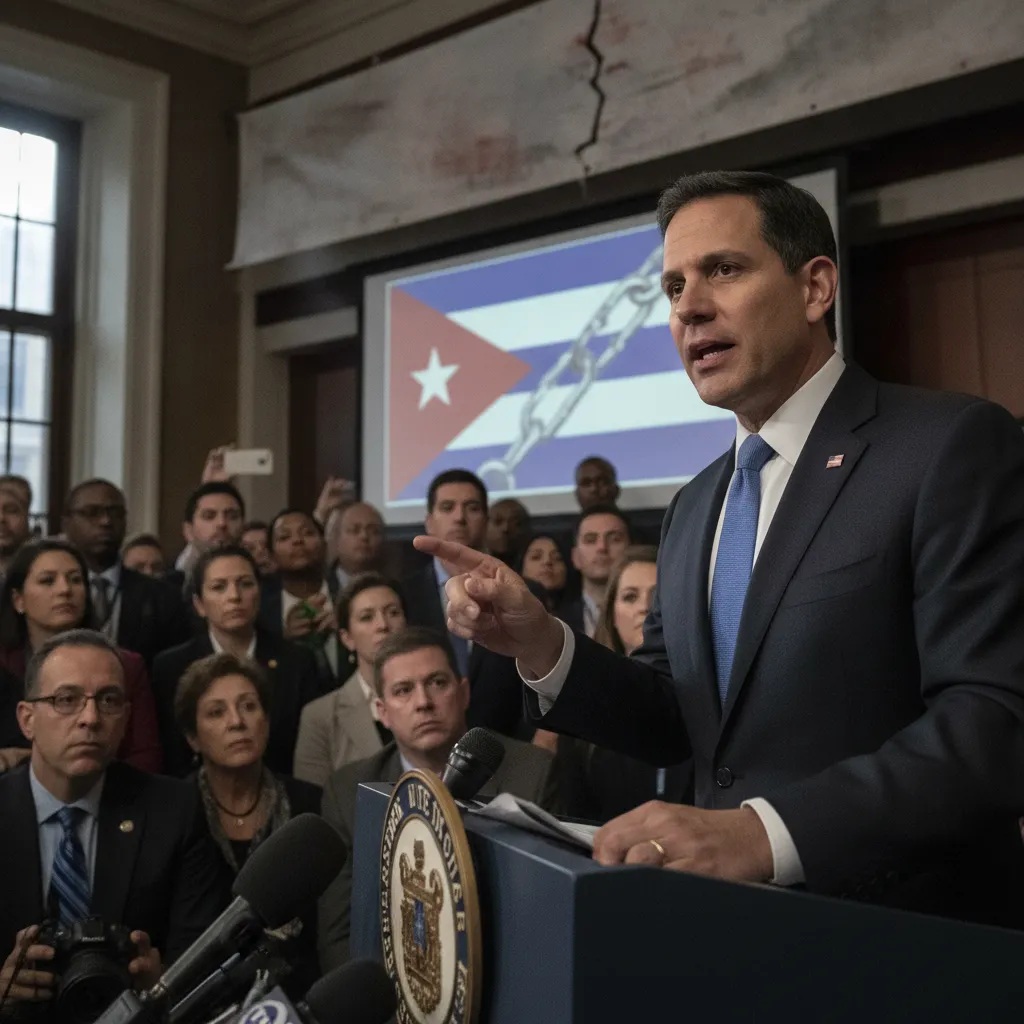
High Stakes Diplomacy As Rubio Calls For Secret Intelligence Ties In Cuba
Secretary of State Marco Rubio issued a provocative call to action on Friday, urging Cuban citizens who are…