
Poison in the Pipes: Iowa’s Health Crisis Becomes a Political Battleground
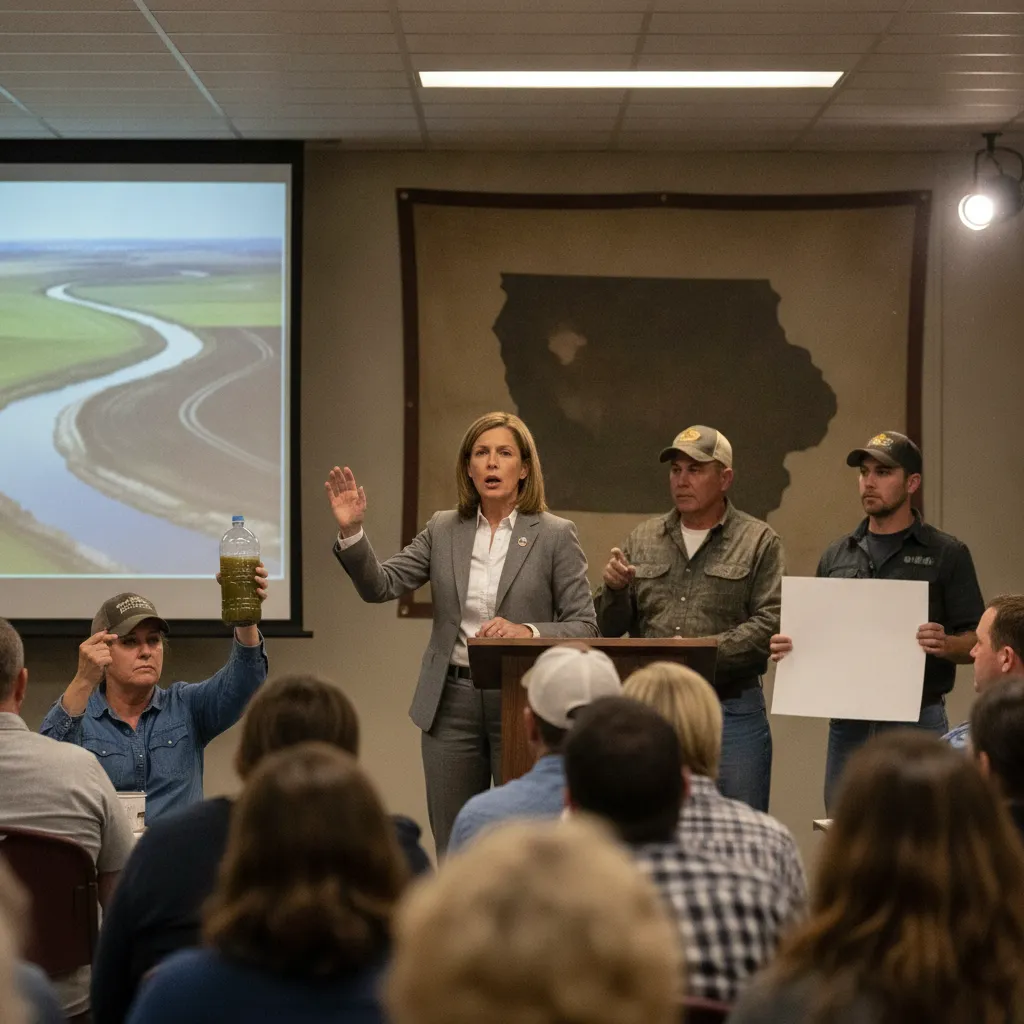
For decades, talking about water quality in Iowa was considered a political third rail. To question the runoff of chemical fertilizers and animal waste meant risking a confrontation with the state’s powerhouse agricultural industry, a move few politicians were willing to make. But as the midterms approach, that silence has broken. From rural town halls to urban debates, candidates across the spectrum are finally grappling with a simmering crisis involving contaminated waterways and some of the highest cancer rates in the United States.
The tension is rooted in a geographic divide between conservative farming communities and liberal urban centers. While many farmers have adopted voluntary measures to curb runoff, critics argue that without strict regulation, downstream residents are left footing the bill for pollution. This frustration has reached a boiling point following repeated water usage restrictions in Des Moines and a rising grassroots health movement in small towns focused on cleaning up the food and water supply. With Iowa ranking second in the nation for new cancer diagnoses, voters are increasingly asking whether the chemicals used on their fields are ending up in their taps.
Democratic candidate Josh Turek has leaned directly into this anxiety, arguing that every citizen deserves clean water free from carcinogenic risks. On the other side, Republican Congresswoman Ashley Hinson maintains that while challenges exist, current federal regulations ensure tap water remains safe. Even within her own party, however, cracks are appearing. Gubernatorial hopeful Zach Lahn has diverged from traditional GOP rhetoric by explicitly linking agrochemicals to the state’s cancer surge, admitting that tests of his own rural well water showed nitrate levels far exceeding federal limits.
Despite these heated exchanges, there is a cautious consensus among leadership that something must change. Governor Kim Reynolds recently committed hundreds of millions of dollars toward water infrastructure and conservation incentives, insisting that safety is non-negotiable regardless of politics. Yet for many Iowans watching their neighbors fall ill or seeing their utilities struggle to filter out nitrates daily, financial investment may not be enough. What was once a taboo conversation has become a central pillar of the campaign trail, turning Iowa’s environment into a referendum on public health.
Related Stories

Impulse Over Strategy As Trump Alarms GOP Allies Ahead Of Midterms
As the 2026 midterm elections approach, a growing number of Republican candidates find themselves wishing they could distance…
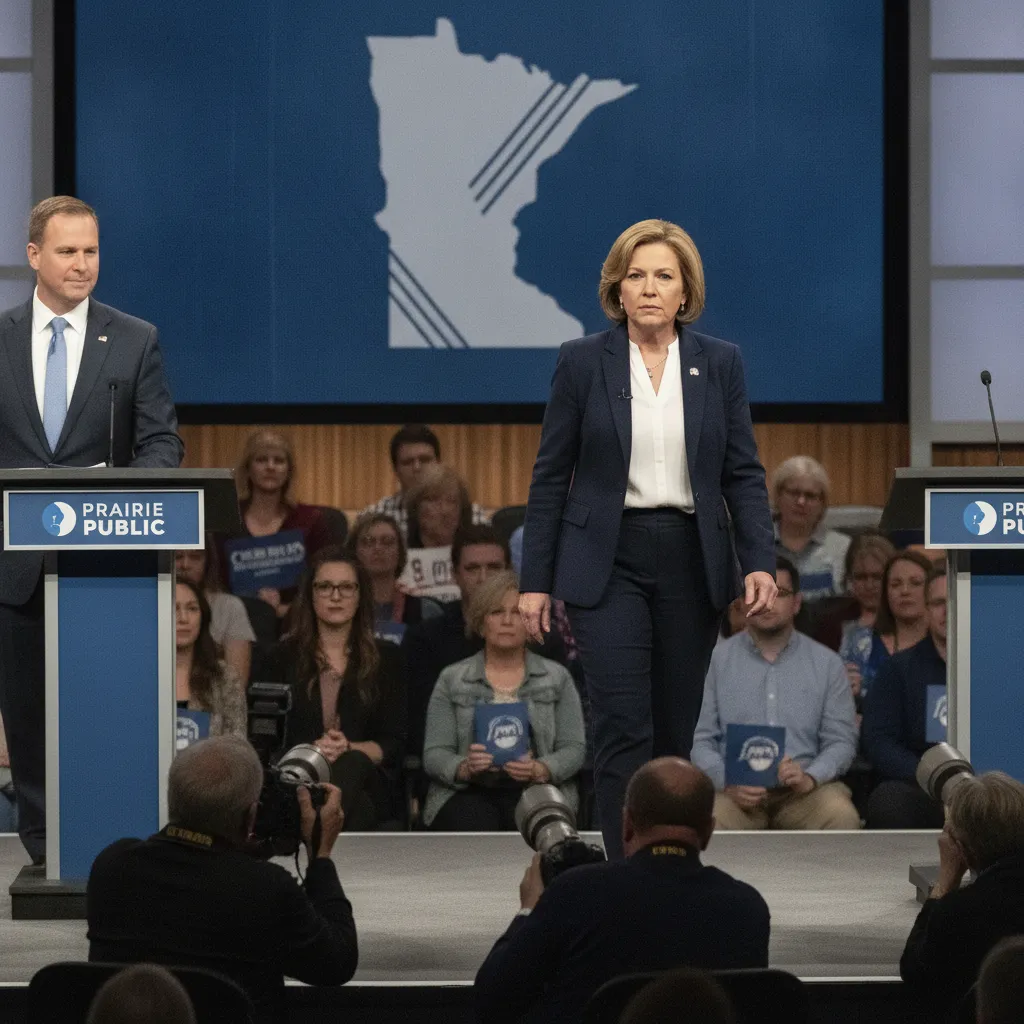
Battle for the Seventh: Fischbach and Osberg Set for High Stakes Showdown
Minnesota’s seventh congressional district is preparing for a political clash tonight as incumbent Republican Representative Michelle Fischbach takes…

The Corporate Illusion of AI Transformation
Despite the relentless hype surrounding generative artificial intelligence, few major organizations have actually redesigned their fundamental operations to…
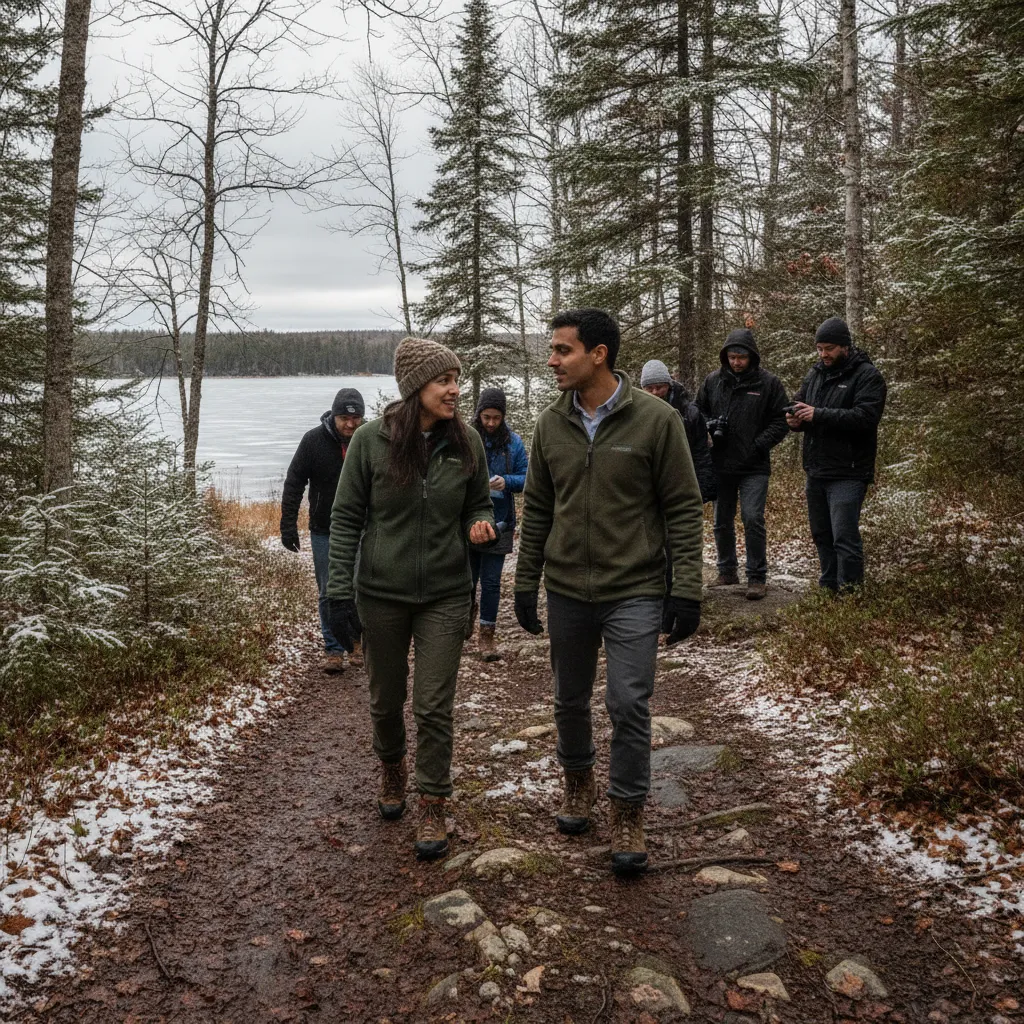
The Long Game in the Northwoods: why AOC ventured into Rural Michigan
Representative Alexandria Ocasio-Cortez recently took her campaign trail to the rugged terrain of Michigan’s Upper Peninsula, accompanying Democratic…