
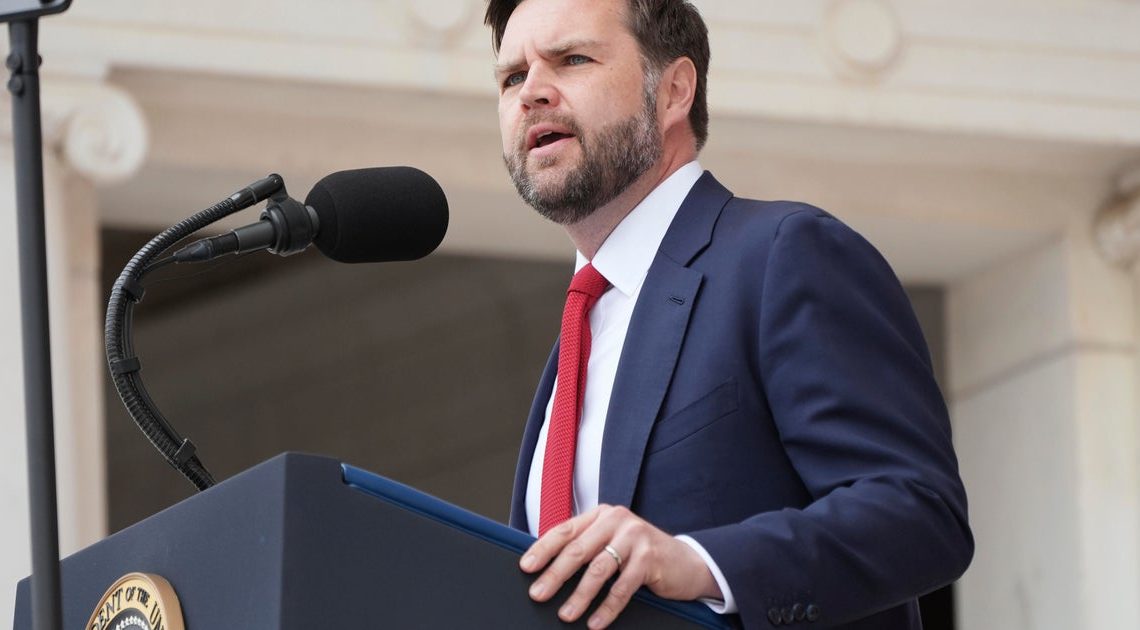
U.S. Vice President JD Vance has disclosed Bitcoin holdings worth between $250,001 and $500,000, according to his latest federal financial disclosure, placing one of the country’s most senior officials among the most prominent crypto-owning figures in Washington.
The disclosure, filed with the Office of Government Ethics, lists a Coinbase account holding Bitcoin in the $250,001-to-$500,000 value range and reporting no income, or less than $200, from the asset. The filing also shows Vance holds substantial exposure to traditional financial assets, including exchange-traded funds, real estate, savings accounts and interests tied to Narya Capital, the venture firm he co-founded before entering national politics.
The Bitcoin position is significant because Vance has been one of the most vocal pro-crypto figures in the Trump administration. Before becoming vice president, he supported digital asset legislation as a senator and argued that crypto could provide an alternative to what conservatives viewed as politicized financial gatekeeping. His latest disclosure shows that his personal exposure to Bitcoin remains meaningful while the administration advances a more crypto-friendly policy agenda.
Vance’s disclosure also comes as President Donald Trump’s own financial filings show substantial income linked to crypto ventures, including token sales and digital asset-related businesses. Together, the filings have intensified debate over the overlap between personal financial interests and federal crypto policy.
Crypto Ownership Moves Into the White House
Vance’s Bitcoin position reflects a broader shift in Washington. Crypto ownership was once rare among senior policymakers, but digital assets have become increasingly visible within the current administration. Several officials and appointees have disclosed holdings in Bitcoin, crypto funds or blockchain-related companies, while the White House has promoted a more supportive regulatory stance toward the industry.
That shift matters because the administration is overseeing major policy decisions that could affect the value, liquidity and adoption of digital assets. U.S. lawmakers are debating market-structure legislation, stablecoin rules, tax treatment and the regulatory roles of the Securities and Exchange Commission and Commodity Futures Trading Commission. A clearer federal framework could benefit compliant crypto firms and make Bitcoin more accessible to institutional investors.
For Vance, the disclosed Bitcoin holding aligns with his public policy posture. He has previously argued that crypto innovation should not be driven offshore by overly aggressive regulation. His supporters may see the disclosure as evidence that he has personal conviction in the asset class. Critics may argue that senior officials with meaningful crypto holdings should face heightened scrutiny when shaping policies that could influence market prices.
Ethics Questions Follow Policy Debate
The legal significance of the disclosure is different from the political significance. Federal officials are required to report assets in broad ranges, and disclosure does not by itself indicate a conflict of interest. The form does not show exact purchase dates, cost basis, wallet details or whether the Bitcoin position changed during the reporting period.
Still, the optics are sensitive. Bitcoin is highly volatile and can respond sharply to government policy signals, including regulatory appointments, enforcement decisions, reserve proposals and legislative progress. When senior officials hold assets that may be affected by policy, transparency becomes especially important.
For the crypto market, Vance’s disclosure is another sign that Bitcoin has moved from political fringe to mainstream policy debate. A sitting vice president holding up to $500,000 in Bitcoin would have been unusual in earlier administrations. In the current environment, it fits a broader realignment in which crypto has become a campaign issue, lobbying priority and financial asset class watched by both retail traders and institutional investors.
The market impact is indirect but notable. Vance’s holding does not change Bitcoin’s supply, demand or regulation by itself. But it reinforces the perception that influential U.S. policymakers are personally familiar with digital assets and may be more inclined to support legal clarity rather than restrictive enforcement. For investors, the disclosure adds another political dimension to Bitcoin’s evolving role in U.S. financial policy.